Ajmer is a less-known jewel of Rajasthan, a city that has stood the test of time by retaining its spirituality, history, and natural beauty. Nestled in the Aravalli Mountains, the top tourist places in Ajmer offer an interesting blend of religious significance, magnificent architecture, and breathtaking landscapes. Its eventful Mughal past and the attendant religious importance as well have made Ajmer a travel destination for explorers around the world to experience its holy sights, huge forts, and tranquil atmosphere. Whether you are a pilgrim, a history buff, or an adventure enthusiast, Ajmer holds something special for everyone. Let’s delve into the heart of Rajasthan and discover what makes this city so enchanting.
Ajmer is much more than just a tourist destination; it’s a spiritual and cultural experience. The city attracts millions of visitors every year for several reasons:
Religious Significance – Home to sacred shrines and temples.
Historical Heritage – Mughal and Rajasthan architecture.
Natural Beauty – Lakes and mountain views.
Cultural Richness – Traditional festivals and customs.
Top Tourist Places in Ajmer
1. Ajmer Sharif Dargah
The Ajmer Sharif Dargah, dedicated to the renowned saint Khwaja Moinuddin Chishti, which is one of the top tourist places in Ajmer. It holds spiritual significance, possesses considerable historical importance, and is considered significant for one’s life journey.
Highlights:
13th-century Mughal architecture
Intricate marble work and decorative calligraphy
Peaceful spiritual atmosphere
Accommodation available for pilgrims
Best Time to Visit: October–March
2. Pushkar Lake & Brahma Temple
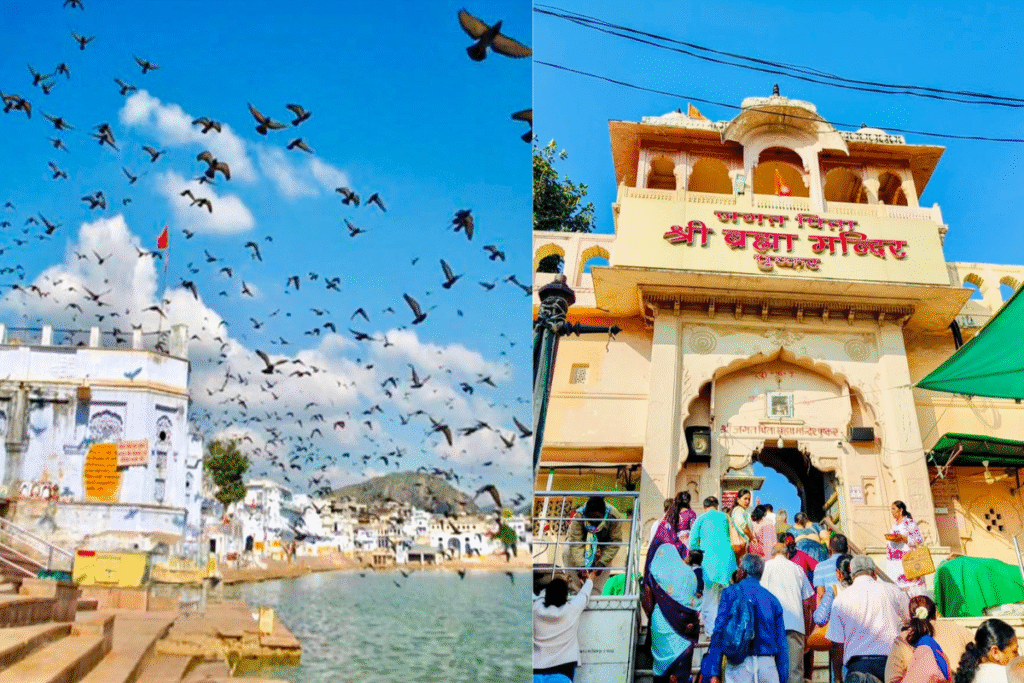
Located approximately 16 km from Ajmer, Pushkar is a sacred pilgrimage site, making it one of the must-visit places in Ajmer for spiritual seekers. It is home to the only temple in the world dedicated to Lord Brahma. Pushkar is famous for its annual camel fair and Pushkar Lake, and is also known for its spiritual atmosphere, desert safaris, and vibrant local markets. There are also many other attractions worth seeing and photographing.
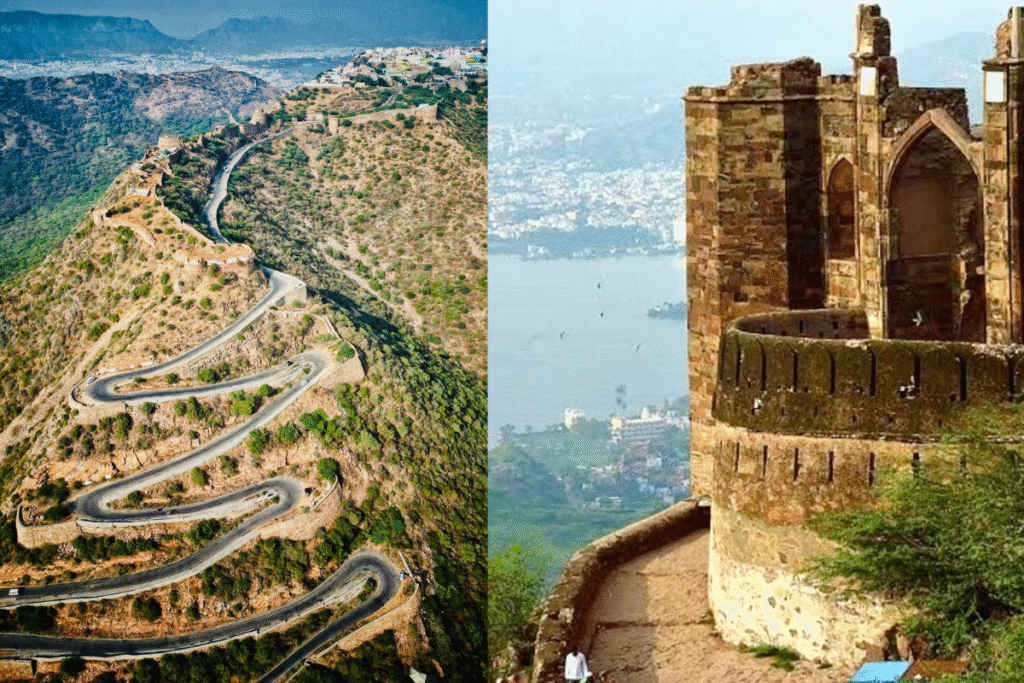
Taragarh Fort, also known as the “Star Fort,” is famous for its star-shaped design. From this fort, one can enjoy panoramic views of the city, Ana Sagar Lake, and the surrounding landscape. Its notable features include its magnificent gates, water reservoirs, the Rani Mahal palace complex, and the shrine of Hazrat Miran Syed Hussain Asgar Khangswar.
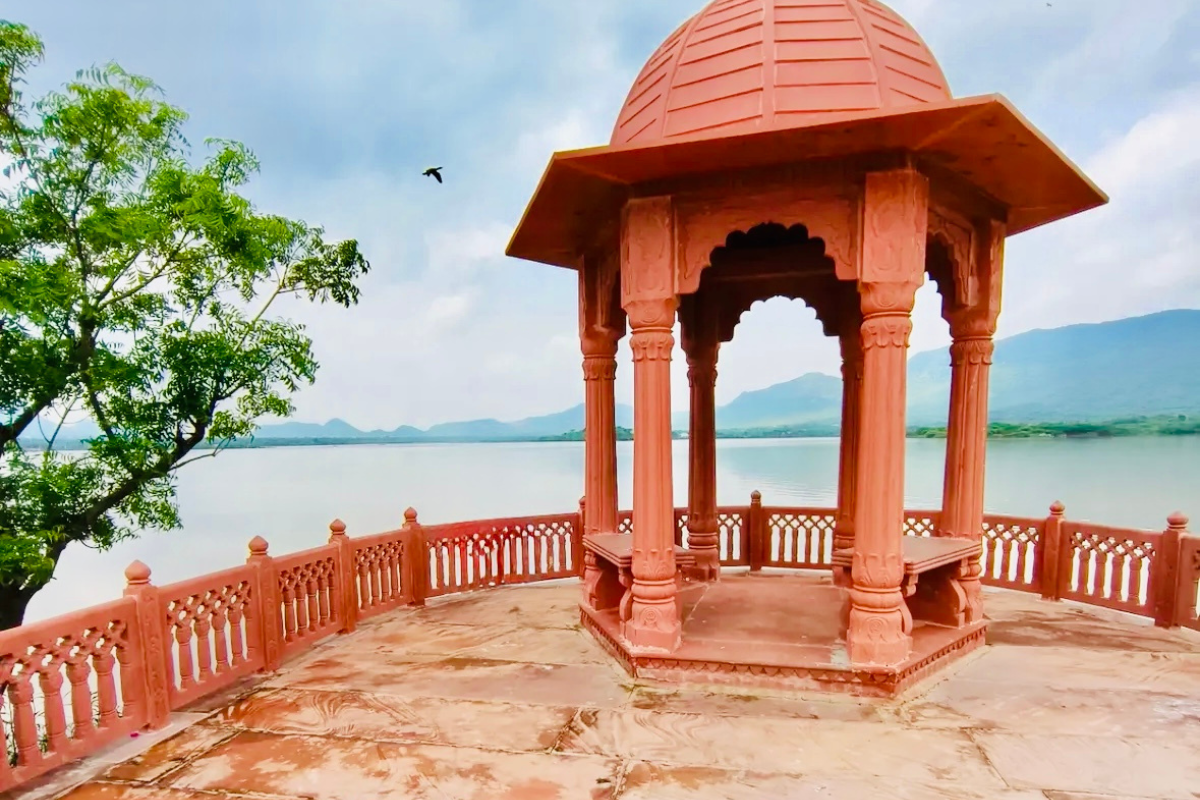
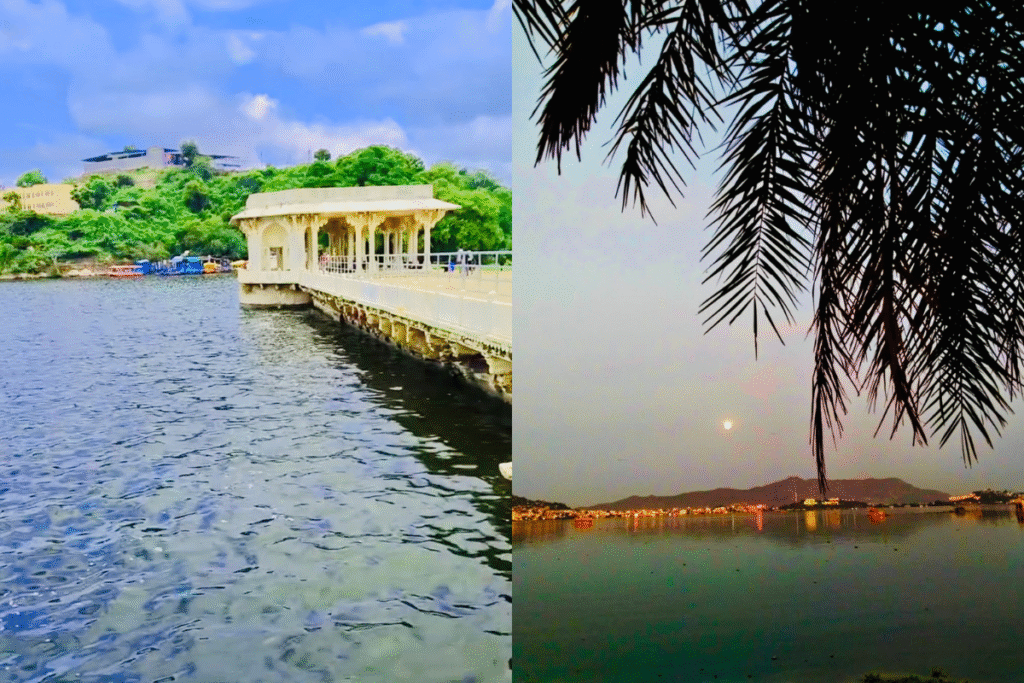
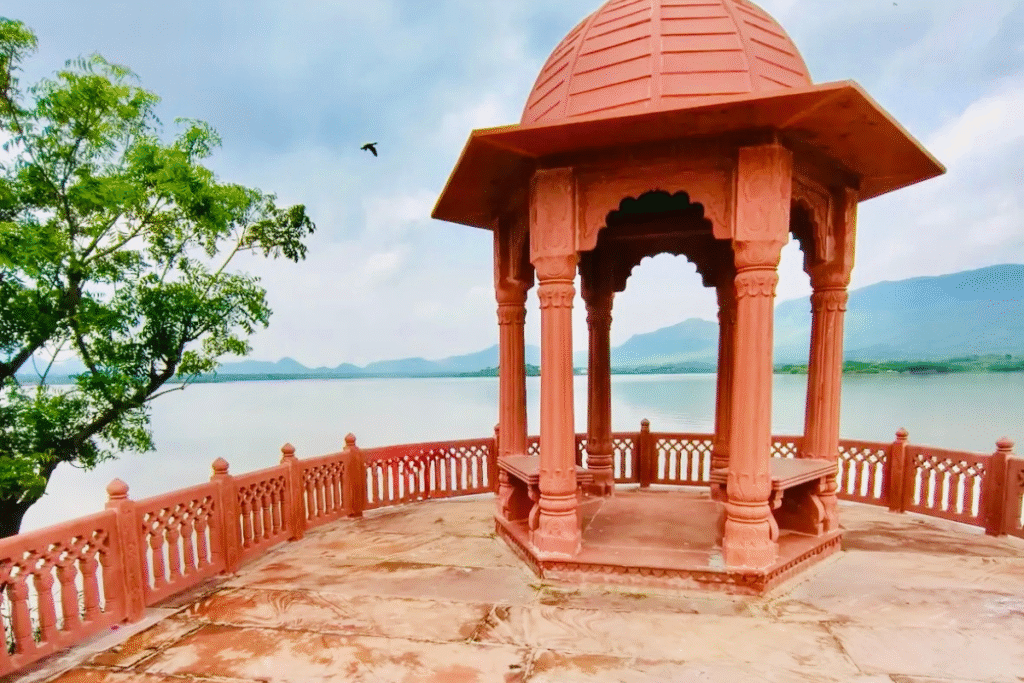
Ana Sagar Lake in Ajmer is a historical artificial lake, built in the 12th century by Arno Raj Chauhan. This 13-kilometer-long lake is surrounded by parks and notable landmarks, including the Daulat Bagh Garden and the Baradari pavilions built by the Mughal emperors. The lake is a popular spot for activities such as boating, birdwatching, and sunset viewing, and there is no entry fee.
Highlights:
Scenic boat rides available
Five pavilions along the shore (Daulat Bagh)
Ideal for sunset viewing
Family-friendly atmosphere
5. Nasiyan Temple (Lal Mandir)
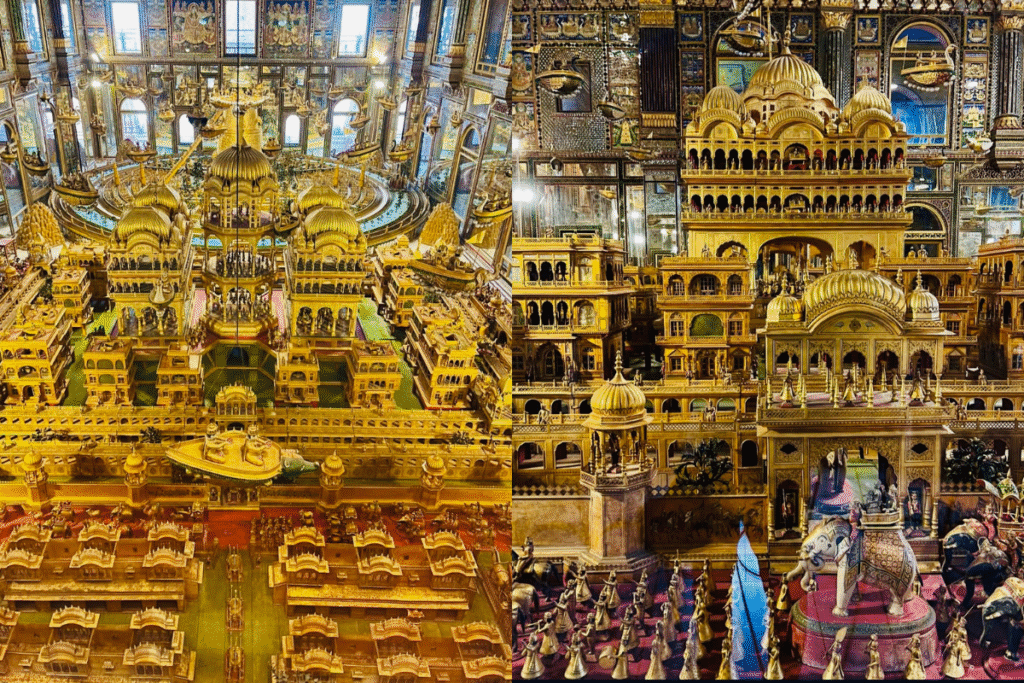
The Nasiyan Temple in Ajmer, also known as the Red Temple or Soniji Ki Nasiyan, is a Jain temple. It is dedicated to the first Jain Tirthankara, Lord Rishabhadeva (Adinath). It is famous for its museum hall, called Swarna Nagari (“City of Gold”), which houses gold-plated wooden figures depicting scenes from the life of Lord Adinath and Jain mythology. The temple is an architecturally rich structure built of red sandstone, featuring a grand gateway and a two-story building that houses both the place of worship and the museum.
Highlights:
Two-story marble structure
Golden decorations
Religious and architectural significance
Located in the old city
6. Adhai Din Ka Jhopra
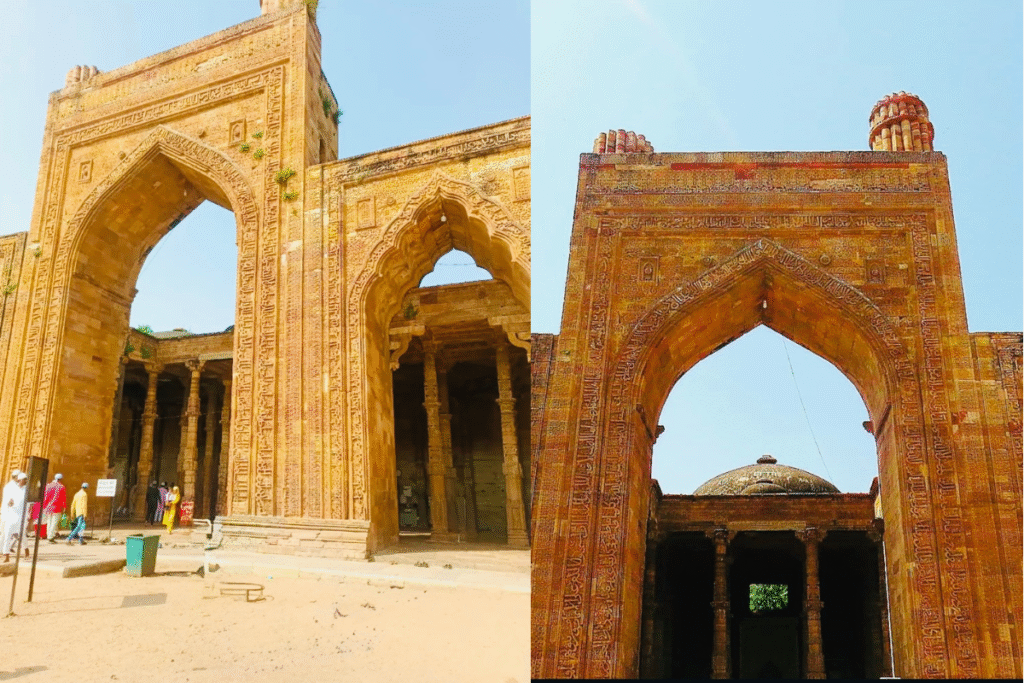
This is one of the oldest mosques in India, famous for the story that it was built in just two and a half days. An architectural marvel, the Adhai Din Ka Jhonpra is a unique blend of Hindu and Islamic architecture and one of the must-see tourist places in Ajmer.
Highlights:
Originally a Sanskrit college (12th century
Converted into a mosque by Mohammad of Ghor
Notable for its intricately carved columns
UNESCO significance in Indian heritage
7. Foy Sagar Lake
Foy Sagar Lake, now known as Varun Sagar Lake, is an artificial lake built during the British era in 1892.
It is a popular tourist spot known for its tranquil atmosphere, beautiful views of the Aravalli mountains, and picnic opportunities. Recently, its name was changed to Varun Sagar Lake, taking into account religious and social sentiments.
Highlights:
Scenic landscape photography
Walking trails
Picnic spots
Best visited during the monsoon
8. Ajmer Government Museum
Located near the Jama Masjid, this museum preserves Ajmer’s cultural heritage with artifacts dating back centuries.
During British rule, it was known as the Rajputana Museum, and it now houses a collection of Mughal and Rajput armor and sculptures. The museum displays a magnificent collection of coins, sculptures, miniature paintings, and antique weapons, offering profound insights into Ajmer’s historical and cultural past.
Festivals & Events in Ajmer
Ajmer’s cultural calendar is full of celebrations that attract visitors from all over the world:
Festival
Time
Significance
Holi
March
Festival of colors
Diwali
October–November
Festival of lights
Pushkar Fair
Novembner
Livestock fair & cultural celebration
Urs Festival
December
Moinuddin Chishti’s death anniversary
Travel Tips for Exploring Top Tourist Places in Ajmer
Best Time to Visit
The weather from October to March is ideal for visiting the best places to see in Ajmer. During the summer months, the temperature can reach up to 45°C, making sightseeing difficult.
How to Reach
By Air – After landing at Jaipur Airport, you can travel to Ajmer, which is 135 km away.
By Train – You can also take the train, which is well-connected to Ajmer Railway Station.
By Road – Regular buses run from major cities.
Accommodation Options
Budget hotels and guesthouses are available.
Mid-range hotels are also available.
If you’re looking for a luxury resort, you’ll find luxury resorts near Pushkar as well.
You will also get pilgrim shelters (dharamshalas) here.
Local Transportation
Auto-rickshaws for short distances
Taxi services for day tours
Bicycle rentals for exploration
Food & Local Cuisine
Experience authentic Rajasthani flavors while visiting top tourist places in Ajmer:
Dal Baati Churma – Traditional Rajasthani meal
Gatte Ki Sabzi – Gram flour dumplings curry
Bajra Roti – Millet bread
Pyaaz Ki Kachumberi – Onion salad
Rabri – Sweet dessert
FAQs
Is Ajmer safe for solo travelers?
Yes, Ajmer is a perfectly safe place for solo travelers and families alike. It’s a safe and welcoming city for tourists; you just need to be wary of pickpockets.
What’s the best season to visit the top tourist attractions in Ajmer?
The best time to visit Ajmer is from October to March, when the weather is pleasant and cool. In summer, temperatures are very high, which can make sightseeing difficult.
How many days are needed to explore Ajmer?
Two to three days are sufficient to see the main attractions of Ajmer.
Conclusion
Ajmer truly deserves its reputation as the heart of Rajasthan. From the spiritual serenity of Ajmer Sharif Dargah to the natural beauty of Pushkar Lake, the top tourist places in Ajmer offer unforgettable experiences. Whether you want to seek divine blessings, explore history, or simply spend peaceful moments amidst nature, this beautiful city welcomes you with open arms. Plan your trip to Ajmer today and get lost in the magic of Rajasthan.
Planning a budget Europe trip? A cheap European vacation might sound impossible, but Prague, Vienna, and Budapest prove otherwise. This affordable Central Europe itinerary shows you how to visit three stunning capitals without spending a fortune.
This budget Europe trip covers three incredible cities: Prague, Vienna, and Budapest.
Every travel blog, every Instagram post, every friend who came back from “the Europe trip” seemed to have spent a small fortune. Paris, Rome, Amsterdam – beautiful places, sure. However, they also empty your bank account before you’ve even had your morning coffee.
Then someone told me about a different Europe. Not Western Europe with its €5 coffees and €200 hotels. Central Europe. Prague, Vienna, Budapest – three imperial capitals, connected by short train rides, offering palaces, castles, river cruises, and some of the most beautiful architecture I’ve ever seen… at a fraction of the cost.
The best part? You can do all three in one trip. They’re perfectly positioned – Prague in the Czech Republic, Vienna in Austria, Budapest in Hungary – all linked by excellent, affordable transport. For Indian travelers, the combined cost is surprisingly manageable.
This guide breaks down exactly how to visit Prague, Vienna, and Budapest on a budget that won’t make you cry. Let’s get into it.
First, Let’s Talk Money: What Will This Actually Cost?
To be specific, here’s the honest truth from someone who’s crunched these numbers obsessively.
Total budget for a 10-day trip covering all three cities: Approximately ₹1,00,000 – ₹1,30,000 per person including flights, visa, accommodation, food, transport between cities, and activities.
However, that might still sound like a lot. Compare it to a Western Europe trip covering similar ground – Paris, Amsterdam, Brussels – and you’re looking at easily 40-50% higher costs. Central Europe offers the same grand European experience without the high European price tags.
Quick Cost Breakdown (10 Days)
Expense Category
Estimated Cost (₹)
Notes
Schengen Visa
8,000
Includes processing fees and insurance
Round-trip Flights
35,000 – 50,000
From major Indian cities, booked in advance
Accommodation
25,000 – 35,000
Mix of hostels/budget hotels, approx ₹2,500/night
Intercity Transport
4,500 – 6,000
Buses and trains between cities
Food
12,000 – 15,000
Local eateries, some self-catering
Attractions
7,000 – 10,000
Entry fees, walking tours, one or two splurges
Local Transport & Misc
3,500 – 5,000
Metro tickets, trams, small purchases
Total
₹95,000 – ₹1,30,000
Depends on flight deals and comfort level
For example, where does your money go furthest? Budapest is the cheapest of the three, followed by Prague. Vienna is the most expensive. We’ll talk about how to balance this throughout the guide.
Before we dive into logistics, let’s understand what each city offers. They’re different enough that you’ll want to spend your time and money wisely.
Prague – The Fairytale City
Budget Rating: Affordable
First, Prague feels like walking into a storybook. Gothic spires, the iconic Charles Bridge, and the largest ancient castle in the world make it visually stunning and incredibly walkable. The Old Town Square with its Astronomical Clock draws crowds for good reason.
Best for: Romantic vibes, easy sightseeing, first-time Europe travelers
Ideal stay: 2-3 days
Vienna – The Imperial Elegance
Budget Rating: Most Expensive of the Three
Next, Vienna is grand, formal, and impossibly refined. Think palaces (Schönbrunn, Hofburg), world-class museums, coffee houses serving Sachertorte, and classical music echoing through concert halls. It’s the cleanest and safest of the three, but also the priciest.
Best for: Culture lovers, history buffs, palace enthusiasts
Ideal stay: 2-3 days
Budapest – The Dramatic Beauty
Budget Rating: Most Affordable
Finally, Budapest is split by the Danube – hilly Buda on one side, flat Pest on the other. The views from Fisherman’s Bastion, the massive Parliament building lit up at night, thermal baths where you can soak like a local, and a ruin bar scene make it uniquely Budapest. It’s less polished than Vienna but has more soul.
Best for: Nightlife, spa experiences, panoramic views
Ideal stay: 2-3 days
The Ideal Combo: Most travelers spend roughly equal time in each city. A 9-day trip with 3 days in each works beautifully. Alternatively, give Budapest an extra night because it’s cheaper and has tons to do.
Getting There: Flights From India
Your journey starts with flying into Europe. Here’s the smart way to do it.
Which City To Fly Into?
Option A: Fly into Prague, out of Budapest This is the classic route. You go west to east and avoid backtracking. Prague → Vienna → Budapest flows naturally.
Option B: Fly into Vienna, travel to Prague and Budapest Vienna has the busiest airport with the most flight options. You can fly into Vienna, then take trains or buses to Prague and Budapest in a loop.
Typical Flight Costs:
From Delhi/Mumbai: ₹35,000-50,000 round trip with a good deal
From Bangalore/Chennai: ₹40,000-55,000
Book 2-3 months ahead for best prices
Additionally, consider flights with connections in the Middle East (Emirates, Qatar, Etihad). They’re often competitively priced and comfortable.
A Real-World Example
One traveler on a 13-day trip flew from Guangzhou to Prague with Emirates for ¥5,673 and from Budapest to Guangzhou with Air China for ¥3,636. The total flight cost was roughly ₹1,05,000 at the time, but they booked late. Booking earlier would have saved money. Indian departures can be cheaper with early planning.
You’ll need a Schengen Visa to enter all three countries, as they’re part of the Schengen Area.
Cost: Approximately ₹8,000 including fees and mandatory travel insurance
Application Tips:
First, apply at the embassy of the country where you’ll spend the most nights
Second, if nights are equal, apply to the country you’ll enter first
Third, you need confirmed flight bookings and accommodation for the visa application
Furthermore, the process takes about 15 days, so apply at least 3-4 weeks before departure. Biometrics are required, so you’ll need to visit the visa application center in person.
Getting Between Cities: Transport That Won’t Break You
This is where Central Europe shines. The cities are close and well-connected.
By Bus (The Budget Champion)
For budget travelers, FlixBus is your best friend. These buses are clean and comfortable, with WiFi and power outlets. They’re ridiculously cheap if you book ahead.
Prague to Vienna: 4 hours, from €5-10 if booked early
Vienna to Budapest: 2.5-3 hours, from €5-10
Prague to Budapest direct: 6-7 hours, from €10-15
RegioJet (the yellow buses) is another excellent option, particularly popular in Czechia. Their Prague-Vienna route is comfortable and affordable.
By Train (Faster, More Scenic)
On the other hand, trains are slightly more expensive. However, they’re more comfortable and often more convenient, with city-center stations.
Czech Railways / Austrian Railways (OBB): Prague to Vienna from €15-25 with advance purchase
OBB / Hungarian Railways: Vienna to Budapest from €15-25
Railjet trains: Modern, fast, comfortable
Pro tip: Book train tickets on the OBB website (oebb.at). They often have advance purchase discounts called “Sparschiene” tickets that are much cheaper.
Sample Intercity Transport Budget
Route
Mode
Cost (€)
Notes
Prague → Vienna
Bus
8
FlixBus booked in advance
Vienna → Budapest
Bus/Train
10
Either mode works
Total
€18
~₹1,600
That’s it. Three countries, two connections, under ₹2,000.
As a general rule, book 3-4 months in advance for the best rates. Use Booking.com or Agoda to research. Then check if the property has direct booking options.
Typical budget accommodation costs per night:
Prague: ₹2,000-3,000 (budget hotel)
Vienna: ₹4,000-6,000 (pricier, but look for deals)
Budapest: ₹2,500-4,000 (good value)
Specific Hotel Recommendations From Real Travelers
Prague – U Kaledoskopu Hotel
Cost: ~₹2,500 per night (if booked early)
Location: Near Anděl metro station, 10 minutes to city center
Vibe: Modern, clean, great breakfast
Vienna – Hilton Vienna Park (splurge option)
Cost: ~₹8,500 per night
Location: Right above Wien Mitte station
Vibe: Convenient for trains, nice views
Vienna Budget Alternative: Look for hotels slightly outside the Ringstrasse. The public transport is excellent, so you can save significantly by staying a few metro stops away.
Budapest – 7Seasons Apartments
Cost: ~₹2,800 per night
Location: Near Deák Ferenc tér (central transport hub)
Vibe: Apartment-style, kitchenette, great for groups
Budapest – Simple Hostel
Cost: ~₹1,500 per night (dorm bed)
Location: Jewish Quarter, near ruin bars
Vibe: Social, clean, perfect for solo travelers
Accommodation Hack
To save even more, consider apartments with kitchenettes, especially in Budapest. You can save money by making breakfast yourself and occasionally cooking dinner. Groceries are much cheaper than restaurants.
All three cities have excellent public transport. Here’s what you need to know.
Prague
First of all, the metro, trams, and buses use an integrated ticketing system. A 24-hour pass costs about 110 CZK (₹400). This city is very walkable, though. You might only need single tickets unless you’re going far.
Vienna
Similarly, Vienna’s U-Bahn (metro), trams, and buses offer excellent coverage. A 24-hour pass costs about 8€ (₹720). Many hotels provide a “Vienna City Card” with free transport – ask when booking.
Budapest
A 72-hour pass gives you excellent value for around 5,500 HUF (₹1,300). No need to validate each time – just show it.
Nevertheless, always buy tickets before boarding and validate them (except Budapest’s 72-hour passes). Watch out for inspectors – they’re common, and fines are heavy.
Free in Prague: Walking across Charles Bridge, exploring Old Town Square, watching the Astronomical Clock, wandering through the Lesser Quarter, and views from Letná Park.
Vienna Must-Sees
Attraction
Cost
Approx ₹
Notes
Schönbrunn Palace
22€ (Grand Tour)
₹1,980
Imperial summer palace
Schönbrunn Gardens
Free
0
Massive, beautiful, free to wander
Hofburg Palace
15€ (Sisi Museum)
₹1,350
Imperial apartments
St. Stephen’s Cathedral
Free to enter
0
Tower climb extra (5€)
Naschmarkt
Free to browse
0
Food market, great for lunch
Free in Vienna: Walking the Ringstrasse, exploring the city’s parks, visiting the Karlskirche exterior, browsing Naschmarkt, and wandering through the MuseumsQuartier courtyard.
Budapest Must-Sees
Attraction
Cost
Approx ₹
Notes
Fisherman’s Bastion
Free (terraces)
0
Best views in the city
Matthias Church
2,000 HUF
₹450
Gorgeous interior
Buda Castle
Free to grounds
0
History Museum extra
Hungarian Parliament
5,000 HUF
₹1,100
Book tickets online in advance
Széchenyi Thermal Bath
6,500 HUF
₹1,450
Weekday morning is cheapest
Free in Budapest: Fisherman’s Bastion views, walking across Chain Bridge, exploring the Castle District, Heroes’ Square, Margaret Island, and the riverside promenade at sunset.
Food On A Budget
Where To Eat Cheap(er)
General Rule: Eat where locals eat. Avoid restaurants with English menus and touts outside.
Prague
Local pubs (hospoda) – Czech food is hearty and cheap
Street food: Trdelník (chimney cake) ~60 CZK (~₹220)
Budget meal in local restaurant: 150-200 CZK (~₹550-750)
Bakeries for breakfast – Fresh bread, pastries ~3-5€
Naschmarkt – Food stalls, great for lunch
Budapest
Local eateries (étkezde) – Canteen-style, super cheap
Street food: Lángos (fried dough with toppings) ~1,000 HUF (~₹225)
Market halls – Great value lunches
Daily Food Budget Estimates
Prague: ₹800-1,200 per day
Vienna: ₹1,500-2,200 per day
Budapest: ₹700-1,100 per day
The trick? Have your main meal at lunch when many places have set menus. Eat breakfast at your accommodation (book places that include it). Keep dinner lighter or self-catered.
Sample 9-Day Itinerary
Day 1-3: Prague (3 nights)
Day 1: Arrival, settle in, evening walk across Charles Bridge, Old Town Square at night
Day 2: Prague Castle (full morning), St. Vitus Cathedral, Golden Lane. Afternoon walk through Lesser Quarter, Petřín Hill
Day 3: Old Town exploration, Astronomical Clock, Jewish Quarter. Optional river cruise or half-day trip to Kutná Hora
Day 4-6: Vienna (3 nights)
Day 4: Morning train/bus to Vienna (4 hours). Afternoon settle in, evening walk through historic center
Day 5: Schönbrunn Palace (morning), gardens. Afternoon city center, St. Stephen’s Cathedral
Day 6: Hofburg Palace, MuseumsQuartier courtyard, Naschmarkt for lunch. Optional concert in evening
Day 7-9: Budapest (3 nights)
Day 7: Morning train/bus to Budapest (2.5-3 hours). Afternoon explore Pest side, Parliament exterior, riverside
Day 8: Buda side – Fisherman’s Bastion (sunrise is magical), Matthias Church, Castle Hill. Afternoon Széchenyi Baths
Day 9: Great Market Hall, Heroes’ Square, City Park. Evening Danube cruise
Day 10: Departure
Morning flight from Budapest or Vienna
Practical Money-Saving Tips
1. Book Transport Early
FlixBus and train tickets increase in price as departure approaches. Book intercity travel at least 2-3 weeks ahead.
2. Use Student/Youth Discounts
Additionally, if you’re under 26 or a student, carry your ID. Many attractions offer significant discounts.
3. City Cards – Worth It?
Prague Card: Not usually worth it unless you’re doing many paid attractions
Vienna Pass: Can be worth it if you’re museum-heavy. Calculate first.
Budapest Card: Public transport plus discounts – maybe worth it for 72 hours
4. Drink Tap Water
Good news: Tap water is safe in all three cities. Carry a reusable bottle and save €2-3 per day on drinks.
5. Free Walking Tours
Moreover, every city has excellent free walking tours (tip-based). They’re a great introduction on your first day. Just tip what you can afford.
6. Eat Street Food
For instance, try lángos in Budapest, chimney cake in Prague, and sausages in Vienna. They’re filling, local, and cheap.
7. Visit Thermal Baths on Weekday Mornings
To save money, choose weekday mornings. Avoid weekends when prices are higher and crowds larger.
8. Use Public Transport Instead of Taxis
Be careful: Taxis in all three cities can be tricky with scams. Use public transport or ride-hailing apps (Bolt works well in Budapest).
1. Underestimating walking distances These cities are walkable, but you’ll easily do 15,000-20,000 steps daily. Pace yourself.
2. Only eating near major attractions Instead, walk 10 minutes away from tourist zones. Restaurant prices drop significantly.
3. Not validating transport tickets Warning: Inspectors are everywhere. A fine in Vienna can be €100+.
4. Booking everything last-minute Remember, accommodation and intercity transport prices rise as dates approach. Plan ahead.
5. Trying to see too much Honestly, three cities in 9 days is already fast. Don’t add day trips unless you’re extending your trip. You’ll burn out.
6. Ignoring local currency One more thing: Czech Republic uses the Crown (CZK), Hungary uses the Forint (HUF). Austria uses the Euro (EUR). Carry local cash for small purchases.
Final Thoughts
Prague, Vienna, and Budapest together form what might be the perfect European introduction. Three distinct capitals, each with its own personality, connected by short and cheap transport, offering world-class sights at prices that won’t make you wince.
The fairytale spires of Prague, the imperial grandeur of Vienna, the dramatic river views of Budapest – they’re all waiting. With a budget of around ₹1 lakh for everything except flights, or ₹1.3-1.5 lakh including flights, this dream is actually achievable.
I’ve met travelers who spent twice as much on just one Western European city and came home with half the memories. This route gives you variety, value, and the feeling of having truly explored something special.
So start planning. Book those flights early, reserve your hostels, and get ready for a Central European adventure that’ll stay with you forever.
If you believe that Rajasthan is merely synonymous with deserts, forts, and palaces, then Rajasthan’s ‘Goram Ghat’ is set to completely transform that perception. Nestled within the lush green embrace of the Aravalli Hills, this untouched paradise is often hailed as the ‘Kashmir of Rajasthan’—and once you visit, you will understand exactly why.
In this comprehensive and captivating travel guide, you will discover everything there is to know about Goram Ghat in Rajasthan—including how to get there, the best time to visit, its hidden gems, essential travel tips, and why this destination deserves a spot on your 2026 travel bucket list.
In stark contrast to the typical arid landscapes of Rajasthan, Goram Ghat stands as a refreshing haven teeming with lush greenery, waterfalls, and hills. Situated in the Rajsamand district, this hidden tourist gem lies at an elevation of approximately 900 meters above sea level, offering an atmosphere that remains cool and tranquil.
What truly sets Goram Ghat, Rajasthan, apart is its pristine beauty. It is free from both the heavy crowds of tourists and the commercial bustle; here, one encounters only nature in its purest form, captivating vistas, and absolute serenity.
The Famous Train Journey in Goram Ghat Rajasthan
One of the greatest highlights of Goram Ghat in Rajasthan is its renowned meter-gauge train journey. Constructed in 1932, this railway track winds its way through tunnels, bridges, and dense forests.
Just imagine, you are seated by the window as the train slowly meanders through the Aravalli Hills, offering breathtaking vistas at every turn. This is not merely a journey, but an experience.
Pro Tip: The fare for the train traveling from Marwar Junction to Goram Ghat is extremely affordable, and the journey is packed with scenic beauty; therefore, it is an experience you simply must try.
Why It’s Called the “Kashmir of Rajasthan”
This moniker is not merely for promotional purposes. During the monsoon season, Rajasthan’s Goram Ghat transforms into a lush green paradise complete with cascading waterfalls, mist-shrouded hills, and cool breezes; evoking a vibe reminiscent of Kashmir.
You’ll find:
Lush forests instead of dunes
Waterfalls cascading over rocks
Wildlife and rare bird species
Pleasant climate even in Rajasthan
This rare combination makes Goram Ghat Rajasthan, feel like a completely different world.
Top Things to Do in Goram Ghat, Rajasthan
1. Explore Hidden Waterfalls
During the monsoon season, waterfalls become the main attractions here. One such popular waterfall is located just 500 meters from the railway station, making it perfect for picnics and photography.
2. Trek to Gorakhnath Temple
If you are fond of adventure, you can trek to the temple situated atop the hill, which offers mesmerizing views of the valley and forests.
3. Photography & Nature Walks
If you love photography, Rajasthan’s Goram Ghat is a dream destination for you. From bridges to valleys, every view here is worth sharing on Instagram.
4. Bird Watching
This region is home to unique bird species such as the Paradise Flycatcher and the Indian Pitta. If you love birds, you should definitely go birdwatching; it could prove to be an excellent experience for you.
5. Walk Along Railway Bridges
You can (safely) stroll across beautiful railway bridges, where you will encounter unforgettable vistas of the valleys and gorges; walking through these exquisite valleys offers a truly unique and distinct pleasure.
The beauty of Goram Ghat changes with seasons, but here’s the best time:
Monsoon (July–September) – Best for greenery and waterfalls
Winter (October–February) – Pleasant weather for trekking
Summer (March–June) – Less recommended due to heat
Monsoon is considered the most magical time when the entire valley turns lush green.
How to Reach Goram Ghat
By Air: If you wish to travel by flight, the nearest airport is Udaipur (approximately 130 km); from there, you can reach Goram Ghat by bus or train.
By Train: The nearest major station is Falna. For a direct, scenic train journey, travel from Falna to Marwar Junction; from Marwar Junction, you will find a direct train to Goram Ghat.
By Road: It can be reached by bus via Udaipur, Jodhpur, and Kumbhalgarh, although the final stretch may be a bit rough.
Where to Stay Near Goram Ghat Rajasthan
Direct accommodation options at Goram Ghat are limited; consequently, most travelers choose to stay at nature-centric resorts located near Marwar Junction and Devgarh—areas situated close to Goram Ghat. These make for excellent places to stay, such as Hotel Goram Garh Resort, Hotel Goram View Resort, and The Sky Imperial Jungle Camp Resort. From these options, the Goram Ghat Railway Station and the nearby nature trails are easily accessible.
Important Travel Tips
Before visiting Goram Ghat Rajasthan, keep these tips in mind:
Carry food and water (limited shops available)
Wear comfortable trekking shoes
Be cautious near railway tracks and waterfalls
The mobile network is weak or unavailable
Avoid visiting during heavy rainfall for safety
Carry some cash
Ideal Itinerary for Goram Ghat Rajasthan (1–2 Days)
Day 1:
Arrive at Goram Ghat station
Enjoy a train ride and explore the surroundings
Visit waterfalls and relax
Day 2:
Trek to Gorakhnath Temple
Explore nearby trails and viewpoints
Return via scenic route
A 1–2 day trip is perfect for experiencing Goram Ghat in Rajasthan to the fullest.
Why You Must Visit Goram Ghat Rajasthan in 2026
Popular destinations are bearing the brunt of excessive tourism; consequently, hidden gems like Goram Ghat in Rajasthan are becoming increasingly rare treasures. This is the ideal destination for budget travelers, as well as for those seeking to enjoy natural scenery in a tranquil setting, far removed from the crowds.
It offers:
Peaceful environment away from crowds
Budget-friendly travel experience
Unique train journey
Natural beauty unlike anywhere else in Rajasthan
If you love offbeat travel, this destination should be on top of your 2026 list.
Frequently Asked Questions
Where is Goram Ghat in Rajasthan located?
Goram Ghat is situated in the Rajsamand district of Rajasthan, nestled within the Aravalli Hills between Marwar Junction and Khamli Ghat.
Why is Goram Ghat, Rajasthan, famous?
Goram Ghat is renowned for its lush greenery, scenic train route, waterfalls, and tranquil natural surroundings. Due to its beauty during the monsoon season, it is also referred to as the “Kashmir of Rajasthan.”
What is the best time to visit Goram Ghat?
The best time to visit Goram Ghat is during the monsoon season (July to September), when the region turns lush green, and the waterfalls are in full spate. The winter season (October to February) is also a good time for a pleasant visit.
Is the train ride in Goram Ghat worth it?
Yes, the train journey at Goram Ghat in Rajasthan is one of the region’s main attractions. It passes through tunnels, bridges, and beautiful valleys, offering mesmerizing scenic views.
Can I visit Goram Ghat, Rajasthan, in one day?
Yes, Goram Ghat in Rajasthan can be explored on a one-day trip; however, to fully enjoy its beauty and the surrounding scenery, it is recommended to stay for 1–2 days.
Final Thoughts
Rajasthan’s Goram Ghat is a hidden gem that you simply must visit in 2026; it is not merely a tourist destination, but an experience that connects you with nature, adventure, and tranquility. Whether you are a solo traveler, a couple, or a nature enthusiast, this place offers you a truly magical experience.
So pack your bags, hop aboard that beautiful train, and discover this magnificent hidden secret of Rajasthan before the rest of the world catches on.
Langkawi, often called the “Jewel of Kedah,” is one of Malaysia’s most breathtaking island destinations. With its turquoise waters, lush rainforests, waterfalls, and vibrant attractions, it offers something for every type of traveler—whether you’re planning a romantic honeymoon, a fun family vacation, or a peaceful solo escape. Langkawi is an archipelago of 99 islands surrounded by the Andaman Sea, known for its natural beauty and diverse tourist experiences.
In this detailed guide, we’ll explore the best Tourist Places in Langkawi for Couples, Families & Solo Travelers, along with expert tips, must-visit attractions, and travel insights to help you plan the perfect trip.
Langkawi stands out as a complete travel destination offering beaches, adventure, wildlife, and cultural landmarks all in one place. From relaxing at scenic beaches to exploring mangrove forests and enjoying thrilling cable car rides, the variety of Tourist Places in Langkawi makes it ideal for every kind of traveler.
Top Tourist Places in Langkawi
1. Langkawi Sky Bridge & Cable Car – A Must-Visit Wonder
One of Langkawi’s most famous tourist attractions, the Sky Bridge offers spectacular views of the mountains, rainforests, and the Andaman Sea. The journey begins with a cable car ride up to the summit of Gunung Machinchang, making for a truly memorable experience.
Best for: Couples (romantic views), Solo Travelers (photography), Families (fun ride)
2. Pantai Cenang Beach – Heart of Langkawi
Pantai Cenang is the most famous beach and one of the most vibrant tourist destinations in Langkawi. It offers facilities for water sports, beachfront cafes, nightlife, and shopping. Its pristine sands and clear waters make it the perfect spot for relaxation or adventurous activities.
Best for: Families (activities), Couples (sunset strolls), Solo Travelers (sociable atmosphere)
3. Kilim Karst Geoforest Park – Nature Lover’s Paradise
Kilim Karst Geoforest Park is one of the most unique tourist destinations in Langkawi—a UNESCO-listed site—where visitors can encounter limestone cliffs, mangrove forests, caves, and wildlife. Through a boat tour, you can discover the hidden natural wonders of this place. It is one of the best tourist places in Langkawi for nature lovers.
Best for: Solo travelers (for exploration), families (for educational trips), couples (for boat tours).
4. Dataran Lang (Eagle Square) – Iconic Landmark
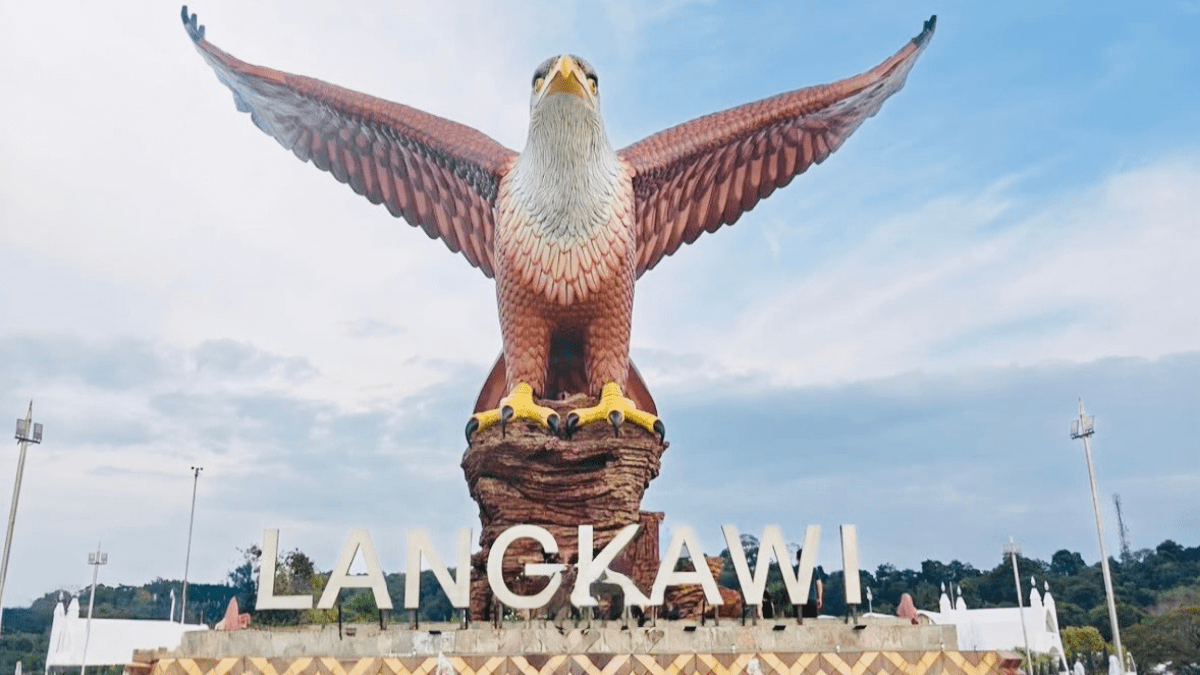
This famous square features a massive statue of an eagle, the symbol of Langkawi. It is an excellent spot for photography and for taking a stroll along the waterfront.
Best for: All travelers
5. Underwater World Langkawi – Family Favorite
Home to thousands of marine creatures, this aquarium is one of the best places for families to visit in Langkawi. Visitors here can observe sharks, penguins, and colorful marine life up close.
Best for: Families, children, educational trips
6. Langkawi Wildlife Park – Fun with Animals
This is an excellent destination for animal lovers; within this park, you can observe unique birds, reptiles, and mammals in an environment resembling a walk-through aviary. If you are an animal enthusiast, this is a place you must visit.
Best for: Families and children
7. Telaga Tujuh Waterfalls – Nature & Adventure
It is also known as the ‘Seven Wells Waterfall.’ This natural attraction is perfect for trekking and enjoying refreshing natural pools. Telaga Tujuh Waterfalls is one of the best tourist places in Langkawi
Best for: Solo travelers and adventure enthusiasts.
8. Paradise 3D Museum – Interactive Fun
Located in Langkawi, the ‘Art in Paradise 3D Museum’ (situated within the Oriental Village, near the SkyCab) is Malaysia’s largest interactive 3D art museum and the second-largest in the world. It features over 200 life-sized, lifelike paintings across nine distinct themed zones—including Egyptian, Fantasy, and Aquarium themes—all specifically designed to offer creative photo opportunities.
Best for: Families and couples
9. Tanjung Rhu Beach – Peaceful Escape
If you are looking for a quiet and romantic beach, Tanjung Rhu is the perfect choice. Its tranquil atmosphere makes it one of the most relaxing tourist destinations in Langkawi.
Best for: Couples, solo travelers
10. Pulau Payar Marine Park – Snorkeling Paradise
Pulau Payar Marine Park is situated just 30 kilometers from the main island of Langkawi. From Kuah Jetty Point, it takes 45 minutes by speedboat to reach the marine park.
This marine park is renowned for snorkeling and diving; the waters here are crystal clear and home to colorful coral reefs.
Best for: Adventure enthusiasts and couples.
Tourist Places in Langkawi for Couples
Langkawi is a dream honeymoon destination. Romantic beaches, luxury resorts, and sunset views create unforgettable moments.
Top picks:
Pantai Cenang (sunset & nightlife)
Tanjung Rhu Beach (privacy)
Langkawi Sky Bridge (romantic views)
Tourist Places in Langkawi for Families
Langkawi is also an excellent destination for those visiting with their families; here, you will find numerous interesting and educational attractions that offer a unique experience for family travelers.
Top picks:
Underwater World Langkawi
Langkawi Wildlife Park
Paradise 3D Museum
These Tourist Places in Langkawi offer fun experiences for kids and adults alike.
Tourist Places in Langkawi for Solo Travelers
Solo travelers can enjoy the peaceful nature and adventurous activities.
Top picks:
Kilim Karst Geoforest Park
Telaga Tujuh Waterfalls
Island hopping tours
Best Time to Visit Langkawi
The best time to explore Tourist Places in Langkawi is between November and March, when the weather is pleasant and ideal for outdoor activities.
Travel Tips for Langkawi
Carry sunscreen and light clothing
Book cable car tickets in advance
Try island hopping tours
Respect local culture and nature
FAQs
What are the best Tourist Places in Langkawi for couples?
Pantai Cenang, Tanjung Rhu Beach, and the Langkawi Sky Bridge are ideal for couples; here, couples will take away the very best memories of their honeymoon.
Is Langkawi good for family trips?
Yes, you can also visit here with your family; attractions such as the Underwater World and Wildlife Park make it perfect for families.
How many days are enough for Langkawi?
3–4 days are enough to explore the major Tourist Places in Langkawi.
Is Langkawi expensive?
Langkawi is budget-friendly due to its duty-free shopping and affordable accommodation, making it an ideal destination for budget travelers.
Conclusion
Langkawi truly offers a perfect blend of adventure, relaxation, and natural beauty. Whether you’re traveling as a couple, with family, or solo, the variety of Tourist Places in Langkawi ensures an unforgettable experience. From stunning beaches and thrilling attractions to peaceful nature escapes, Langkawi is a destination that caters to every traveler’s dream.
I’ll be honest—I was nervous before my first solo trip to Dubai.
Not because I doubted the city itself. Dubai is famously safe, efficient, and built for tourists. But as an Indian woman traveling alone, I had questions. Would I feel at ease? Would I stand out? And as a solo female traveler, would getting around a conservative Muslim city be challenging?
Turns out, I was worried for nothing.
Dubai surprised me. Not just with its skyline—though that Burj Khalifa view at sunset genuinely took my breath away—but with how easy it was to move through the city alone. The metro is spotless and simple. Signs are in English. People speak Hindi and Malayalam everywhere. And at no point did I feel unsafe, not even wandering back to my hotel after dinner.
If you’re an Indian traveler considering going solo to Dubai, here’s everything I learned. Costs, visa process, safety tips, where to stay, what to do—the practical stuff that actually matters when you’re figuring it out on your own.
Before we get into specifics, let’s talk about why Dubai is actually a great choice for a solo trip.
Safety is the biggest factor. Dubai has one of the lowest crime rates in the world. Walking alone at night in areas like Downtown, Jumeirah, or even the older neighborhoods near the creek feels completely normal. Petty theft is rare. Harassment is uncommon, especially compared to many other cities.
Language is another advantage. Hindi and Urdu are widely spoken. Taxi drivers, shopkeepers, restaurant staff—many are Indian or Pakistani, and English is everywhere. You won’t struggle to communicate.
Infrastructure is designed for independence. The metro is cheap, air-conditioned, and connects all the major tourist spots. Taxis are metered and safe. The city is compact enough that you can cover a lot without feeling overwhelmed.
And here’s something specific to Indian travelers: Indian food is everywhere. From street-side chaat in Meena Bazaar to high-end restaurants in the malls, you’ll find familiar flavors whenever you want them. That might seem minor, but when you’re traveling alone, having that comfort makes a difference.
Visa Process for Indian Passport Holders
Getting a Dubai visa is straightforward, but you need to plan ahead.
Tourist Visa Options
Visa Type
Validity
Stay Duration
Cost (Approx)
30-day Tourist Visa
58 days from issue
30 days
₹6,500 – 8,500
60-day Tourist Visa
58 days from issue
60 days
₹12,000 – 15,000
96-hour Transit Visa
30 days from issue
4 days
₹2,000 – 3,000
How to Apply
You can apply through:
VFS Global – The official visa processing partner
Airlines – Emirates, Etihad, and Air Arabia offer visa services if you book flights with them
Travel agents – Many Indian travel agents have tie-ups with Dubai-based sponsors
Bank statement showing sufficient funds (usually ₹50,000+)
Travel insurance (included with most visa packages)
Processing Time typically takes 3-5 working days. Apply at least two weeks before your travel date.
Important: Dubai tourist visas require a sponsor—either a hotel, airline, or tour operator. Individual applications aren’t accepted. Most Indian travelers use travel agents or airlines, both of which handle this automatically.
Best Time to Visit Dubai
Dubai’s climate matters more when you’re traveling solo. You’ll be walking, taking public transport, and exploring on your own schedule.
November to March is the ideal window. Temperatures range from 17°C to 30°C—warm but manageable. This is peak season, so flight and hotel prices are higher. Still, this is when Dubai is most comfortable for outdoor activities.
April and October are shoulder months. It’s warmer (25°C to 38°C), but crowds are thinner and prices drop. I visited in mid-April and found the heat tolerable with a water bottle and occasional air-conditioned breaks.
May to September is summer. Temperatures regularly hit 45°C. Outdoor activities become limited. That said, indoor attractions (malls, museums, aquariums) are fully air-conditioned, and hotel rates are at their lowest. Some solo travelers on a tight budget choose these months and plan their days around indoor activities.
For Indian travelers: Consider school holidays. If you’re traveling from India during Diwali, Christmas, or summer break, expect higher prices and more crowds.
Getting There: Flights from India
Dubai is one of the most connected destinations from India. Multiple daily flights from almost every major city.
Airlines & Approximate Round-Trip Costs
Departure City
Airlines
Approx Cost (Economy)
Mumbai, Delhi, Bangalore
IndiGo, SpiceJet, Air India
₹18,000 – 28,000
Chennai, Hyderabad, Kochi
Emirates, FlyDubai
₹22,000 – 32,000
Kolkata, Ahmedabad, Pune
Direct and connecting flights
₹20,000 – 30,000
Money-saving tip: Fly into Sharjah (SHJ) instead of Dubai (DXB) if you’re on a budget. Sharjah Airport is about 30-45 minutes from Dubai, and flights with Air Arabia are often ₹5,000-8,000 cheaper.
Where to Stay: Best Areas for Solo Travelers
Choosing the right area matters when you’re traveling alone. You want somewhere safe, well-connected, and convenient.
Deira & Bur Dubai (Budget-Friendly)
Best for: Budget travelers, Indian food, cultural experiences Nightly cost: ₹3,000 – 7,000
These older neighborhoods have a distinct Indian-Pakistani vibe. Meena Bazaar, the Creek, and dozens of affordable hotels make this a practical base. You’ll find plenty of vegetarian food, easy access to the metro (Al Rigga, Union, Burjuman stations), and a bustling energy that feels familiar.
Pros: Cheap, good food, metro access, central location Cons: Older buildings, can be crowded, not as “glamorous” as other areas
Downtown & Business Bay (Mid-Range to Luxury)
Best for: First-time visitors, central location, Burj Khalifa views Nightly cost: ₹10,000 – 25,000
This is the Dubai you see in photos. Walking distance to Burj Khalifa, Dubai Mall, and the fountain show. The metro (Burj Khalifa/Dubai Mall station) is connected by a long air-conditioned walkway. Everything is clean, modern, and built for tourists.
Pros: Convenient, safe at any hour, iconic views Cons: More expensive, can feel impersonal
Areas like Jumeirah 1, 2, and 3, plus the beachfront neighborhoods near Kite Beach, offer a quieter experience. You’re close to the sea, away from the high-rise density. Public transport is less convenient here—you’ll rely on taxis or ride-hailing apps.
Pros: Laid-back, beach access, local cafes Cons: Less metro connectivity
Dubai Marina & JBR (Vibrant)
Best for: Nightlife, waterfront views, social atmosphere Nightly cost: ₹10,000 – 20,000
This area has a resort-like feel. Marina walks, beachfront dining, and a young, social crowd. The tram connects to the metro, and taxis are plentiful. If you want to meet other travelers or enjoy evening strolls by the water, this is a good option.
Pros: Beautiful setting, lively, good dining Cons: Can be noisy, slightly removed from Old Dubai
Al Barsha (Value Pick)
Best for: Budget-conscious travelers who want a modern area Nightly cost: ₹5,000 – 10,000
Near Mall of the Emirates, with easy metro access (Mall of the Emirates station). Al Barsha has dozens of mid-range hotels, plenty of Indian restaurants, and is well-connected to both old and new Dubai.
Pros: Affordable, good transport links Cons: Not particularly scenic
Getting Around Dubai Solo
Dubai’s public transport is excellent for solo travelers. Here’s what you need to know.
Dubai Metro (Best Option)
The metro is clean, safe, and covers most tourist areas. Trains have separate “Gold Class” (first class) and women-only cabins (first car on every train).
Cost: A Nol Card (rechargeable travel card) costs 25 AED (₹570) including 19 AED credit. Single journeys cost 3-8 AED (₹70-180) depending on zones.
Women-only cabins are a great option for female solo travelers. They’re marked in pink, usually at the front of the train. Men who accidentally board get polite but firm reminders.
Timings: Saturday to Wednesday 5am to midnight, Thursday 5am to 1am, Friday 10am to 1am.
Taxis & Ride-Hailing
Taxis are metered, reliable, and driven by professionals. The base fare is 12 AED (₹270). Ride-hailing apps like Uber and Careem work well and often show fixed prices upfront.
Tip: Hala Taxis (booked through Careem) are regular taxis at the same metered rates—often cheaper than Uber.
Walking
Certain areas—Downtown, Marina, Jumeirah Beach Road—are walkable. But Dubai is not a pedestrian-friendly city overall. Sidewalks can be interrupted by highway exits, and summer heat makes long walks impractical.
For solo travelers: Download Google Maps offline for Dubai. It helps with metro exits, finding restaurants, and navigating new neighborhoods.
What to Do: Solo-Friendly Activities
Dubai has plenty of activities that work well for solo travelers. Here are the highlights.
Burj Khalifa & Dubai Mall
Cost: At the Top observation deck – 169 AED (₹3,900) for non-prime hours, 240 AED (₹5,500) for prime hours (sunset)
Book your ticket online in advance—sunset slots sell out days ahead. The view is spectacular, and going alone means you can linger as long as you like.
Dubai Mall itself is enormous. It has an aquarium, ice rink, and hundreds of shops. The Dubai Fountain shows run every 30 minutes from 6pm to 11pm—free, and best viewed from the waterfront promenade.
Solo tip: After the fountain show, walk across the bridge to Souk Al Bahar for a quieter dinner with Burj Khalifa views.
This is my favorite part of Dubai. The Al Fahidi Historical Neighborhood has narrow alleyways, wind-tower architecture, art galleries, and cafes. The Dubai Museum (housed in Al Fahidi Fort) costs 3 AED.
Cross the creek on a wooden abra to reach the Spice Souk and Gold Souk. The markets are bustling, the sellers are friendly, and there’s no pressure to buy. Going alone is easy—you set the pace, wander where you want, and stop for chai whenever you like.
Desert Safari
Cost: 100-250 AED (₹2,300-5,700) depending on package
This is a group activity, which actually works well for solo travelers. You’ll share a 4×4 with other tourists, do dune bashing, ride camels, and have a camp dinner with entertainment. Many operators include hotel pickup and drop-off.
What to book: Look for “premium” or “VIP” packages—they cost more but offer better food, fewer crowds, and more comfortable seating.
Beaches
Free access: Jumeirah Beach, Kite Beach, Al Mamzar Beach Park (5 AED entry)
Kite Beach is my recommendation for solo travelers. It has a boardwalk, cafes, and a social but not chaotic atmosphere. Women can wear regular swimwear (bikinis are fine) on the public beach. There are also separate ladies-only beaches if you prefer—Al Mamzar has a dedicated women-only section on Wednesdays.
Miracle Garden
Cost: 75 AED (₹1,700) for adults Season: November to May only
Massive floral installations—butterflies, arches, a life-sized Emirates A380 covered in flowers. It’s visually stunning and easy to explore alone with a camera. Go on a weekday morning to avoid crowds.
Global Village
Cost: 25 AED (₹570) Season: October to April
This seasonal attraction has pavilions representing different countries—including a massive India pavilion with shopping and food. It’s crowded on weekends, but manageable on weekdays. The variety of street food alone makes it worth the visit.
Food: Eating Alone in Dubai
Eating solo in Dubai is easy. From street food to fine dining, the city accommodates solo diners.
Indian Food You’ll Recognize
Meena Bazaar (Bur Dubai) – Street chaat, kathi rolls, fresh juice
Karama – Home-style North Indian and South Indian restaurants
Ravi Restaurant (Satwa) – Legendary Pakistani-Indian food, cheap, always busy
Local Emirati Food to Try
Al Fanar Restaurant – Traditional Emirati in a heritage setting
Arabian Tea House (Al Fahidi) – Casual courtyard dining, good for solo breakfast
Solo tip: Many cafes and casual restaurants have counter seating or shared tables, which feels less awkward when dining alone.
Solo Travel Costs: What to Budget
Here’s a realistic breakdown for a 5-night solo trip. Costs are in INR for easy reference.
Category
Budget
Mid-Range
Notes
Flights
22,000
32,000
Round trip from major Indian cities
Visa
7,500
7,500
Fixed cost
Accommodation (5 nights)
25,000
60,000
Budget: Deira. Mid-range: Downtown
Food (5 days)
10,000
20,000
Budget: Indian cafes. Mid-range: mix
Transport
3,000
5,000
Metro + occasional taxis
Activities
8,000
15,000
Burj Khalifa + desert safari + misc
Misc
5,000
10,000
Shopping, sim card, tips
Total
80,500
1,49,500
Tips to save:
Stay in Deira or Al Barsha instead of Downtown
Eat at Indian cafes and local spots (meals for 500-800 INR)
Use the metro instead of taxis
Book Burj Khalifa tickets online before you go (cheaper than walk-up)
Visit Global Village on weekdays (lower entry, fewer crowds)
Safety Tips for Solo Female Travelers
Dubai is safe, but smart habits make travel smoother.
Dress Code Dubai is more relaxed than other Gulf cities. In malls, tourist areas, and beaches, normal clothing is fine. For female travelers, knee-length skirts/dresses and covered shoulders are appropriate in most settings. In Old Dubai (Deira, Bur Dubai, the souks), more modest dress (covered shoulders, below the knee) is respectful.
Nighttime Safety Walking alone at night in Downtown, Marina, Jumeirah, and Deira main streets feels safe. I walked from Dubai Mall to my hotel in Business Bay at 11pm and never felt uneasy. That said, stick to well-lit main roads and use ride-hailing apps after midnight.
Alcohol Alcohol is available in hotel bars, restaurants, and licensed venues. Solo female travelers generally don’t face issues, but drinking in public (parks, streets, beaches) is illegal. A valid passport is required for entry to bars.
Harassment Street harassment is rare. If it happens, it’s usually verbal and from men in certain neighborhoods (Old Dubai souks). A firm “no” and walking away resolves it.
Emergency Numbers
Police: 999
Ambulance: 998
Fire: 997
Cultural Etiquette
During Ramadan, the holy month, eating, drinking, and smoking in public during daylight hours are prohibited. However, exceptions exist for non-Muslims in designated areas. Most restaurants in tourist areas serve food discreetly. The timings change each year based on the Islamic calendar.
Public Behavior – Public displays of affection beyond holding hands can attract attention. Swearing or rude gestures can get you fined. These rules are enforced more in Ramadan and during religious holidays.
Photography – Never photograph government buildings, military sites, or airports. Ask before photographing local people, especially in older neighborhoods.
Connectivity: SIM Cards & Internet
SIM Cards – Tourist SIMs are available at the airport arrivals area. Two main providers:
Provider
Cost
Data
Validity
Du
100-150 AED (₹2,300-3,500)
20-50 GB
30 days
Etisalat
Similar
Similar
30 days
WiFi – Free WiFi is available in malls, metro stations, and many cafes.
What to Pack
Clothing
Lightweight, breathable fabrics (cotton, linen)
Modest outfit for Old Dubai (long skirt/pants, covered shoulders)
Swimsuit (beaches, hotel pools)
Comfortable walking shoes
Essentials
Reusable water bottle (Dubai tap water is safe, but bottled is common)
Sunscreen, sunglasses, hat
Power adapter (Type G – UK-style three-pin)
Nol Card (public transport – buy at any metro station)
Documents
Passport with 6+ months validity
Visa printout
Travel insurance (required for visa)
Hotel and flight confirmations
Sample 6-Day Solo Itinerary
Day 1: Arrival & Old Dubai
Arrive at Dubai Airport, get SIM card
Take taxi or metro to hotel (Deira or Bur Dubai)
Evening: Dubai Creek abra ride, walk through Spice Souk and Gold Souk
Dinner in Meena Bazaar area
Day 2: Modern Dubai
Morning: Burj Khalifa (book sunset slot or early morning)
Afternoon: Jumeirah Mosque tour (10am or 2pm – book ahead)
Evening: La Mer beachfront dining or walk along Jumeirah Beach Road
Day 5: Cultural Dubai & Marina
Morning: Al Fahidi Historical Neighborhood, Dubai Museum
Coffee at Arabian Tea House
Afternoon: Dubai Marina walk
Evening: Marina dinner cruise (optional) or casual dinner at The Beach, JBR
Day 6: Last Day
Last-minute shopping
Departure
Final Thoughts
Dubai taught me something important about solo travel. Sometimes the places you worry about most turn out to be the easiest.
I’d built up this trip in my head—conservative culture, unfamiliar city, traveling alone—and found none of it was actually difficult. The metro was simple. The food was familiar. People spoke my language. And at no point did I feel unsafe or unwelcome.
If you’re an Indian traveler thinking about your first solo trip, Dubai is genuinely one of the easiest places to start. It’s close, it’s connected, and it’s set up for you to figure things out at your own pace.
Go. You’ll be fine. Better than fine. You’ll have a great time.
Planning a solo trip to Dubai? Have questions about visa, safety, or where to stay? Drop them in the comments—I read every one and I’m happy to help!
That first real Bangkok street food meal caught me completely off guard.
It happened late one night in Chinatown. I’d just pointed at what the person next to me was eating. No menu, no idea what I’d ordered, no expectations.
When the plate arrived, steaming and fragrant, something shifted. The first bite was bright and smoky. The second was deeper, richer. By the third, I’d stopped analyzing altogether and just ate.
That’s the thing about Bangkok street food. It doesn’t need an introduction. It doesn’t need a review. Show up, sit down, and let it do its work.
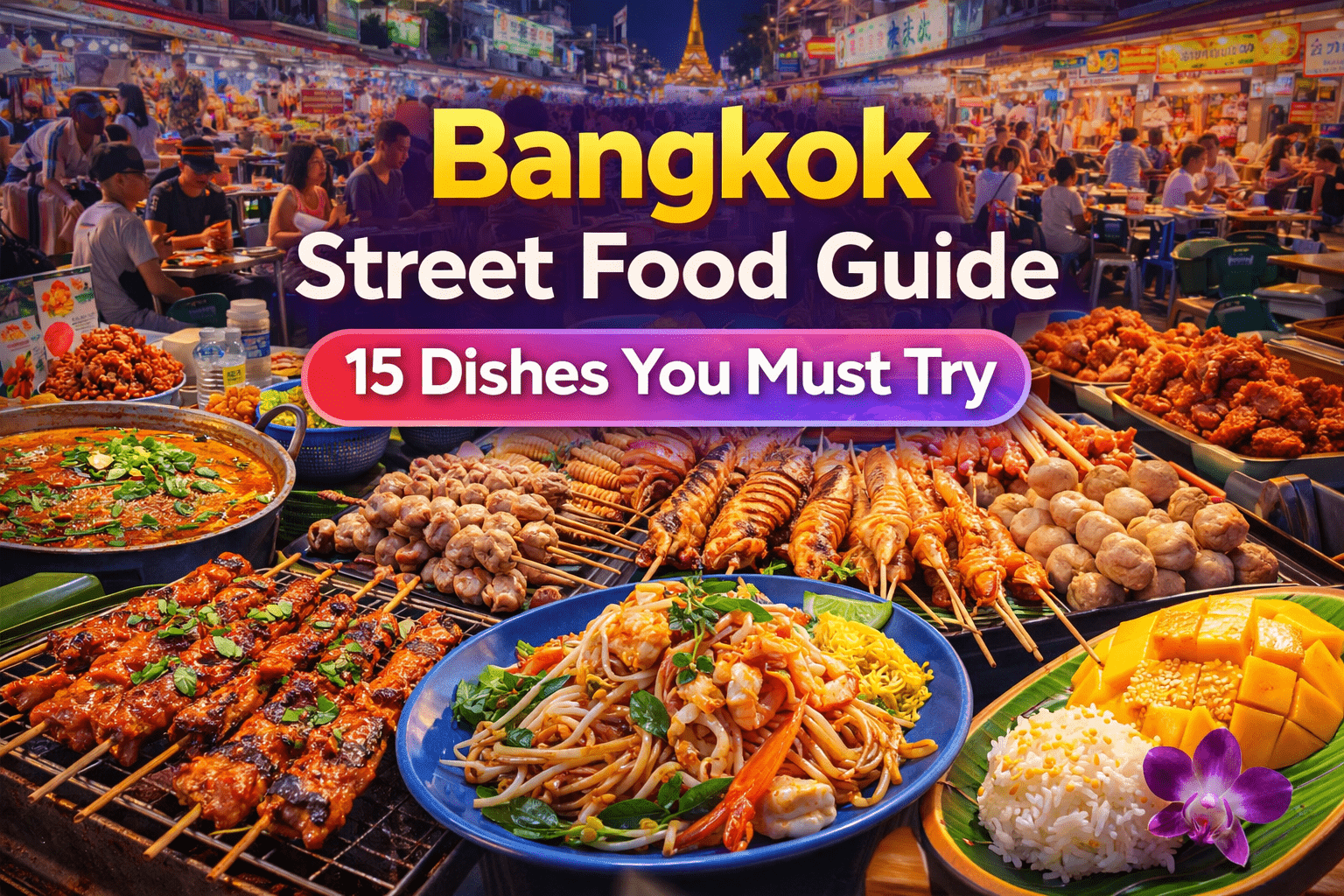
If you’re visiting Bangkok in 2026, you’re in luck. The street food scene is still thriving—chaotic, delicious, and endlessly rewarding. This guide covers 15 essential dishes, where to find them, and how to eat like a local.
Let’s dive in.
Is Bangkok Street Food Safe to Eat?
Everyone asks this. Here’s the honest answer.
Yes, street food in Bangkok is generally safe. The stalls that have been around for years, the ones with long queues of local customers, the ones where ingredients sizzle fresh in front of you—these are not health hazards. In fact, they’re often cleaner and fresher than many restaurants.
A few simple rules will keep you safe:
Follow the crowds. A long line of Thai people is your best guarantee of quality and freshness.
Look for high turnover. Busy stalls use fresh ingredients. If food has been sitting out all day, move along.
Watch them cook. Food fried or boiled at high heat is your safest bet.
Bring small bills. Vendors can’t break large notes. 20, 50, and 100 baht work best.
Trust your senses. If something looks or smells off, skip it.
Since 2018, the Bangkok Metropolitan Administration has been organizing street food zones and improving cleanliness standards. Some famous areas have changed, but the food remains exceptional.
The 15 Dishes You Cannot Miss
I’ve grouped these by category, but honestly, my advice is simple: try as many as you can. Even the ones you don’t recognize.
Noodle Dishes
1. Pad Thai – The World-Famous Stir-Fried Noodles
What it is: Rice noodles stir-fried with egg, tofu or shrimp, bean sprouts, chives, and crushed peanuts. Served with lime, chili powder, and fish sauce on the side.
Taste profile: Sweet, savory, tangy, with a hint of smokiness from the wok.
Where to find it:
Thipsamai on Maha Chai Road is the gold standard. Open since 1966, their “pad thai song krueng” comes wrapped in a thin egg net. Expect a queue, but it moves fast.
Pad Thai Thip Samai (the original location) remains a favorite among locals.
Price: 40–120 baht, depending on toppings and location
Pro tip: The best pad thai has a slightly charred, smoky flavor from a screaming-hot wok. If it tastes sweet and bland, keep looking.
2. Boat Noodles (Kuay Teow Reua)
What it is: Small bowls of pork or beef noodle soup with a dark, rich broth flavored with soy sauce, star anise, cinnamon, and sometimes pork blood for depth.
Victory Monument was the historic center for boat noodles. Although the area has changed, excellent stalls still operate along Ratchawithi Road. Rua Thong and Payak are reliable choices.
Boat Noodle Alley on Ratchawithi Road has a cluster of stalls. Sit down, order, and watch the bowls pile up.
Price: 12–20 baht per small bowl. You’ll likely eat 3–5 bowls.
Pro tip: Don’t order just one bowl. Count your empties, pay accordingly. That’s how it works.
3. Tom Yum Noodle Soup (Kuay Teow Tom Yum)
What it is: Rice noodles in a hot and sour broth flavored with lemongrass, galangal, kaffir lime leaves, and chili. Topped with minced pork, pork balls, and crushed peanuts.
Taste profile: Spicy, sour, aromatic, with a clean, bright finish.
Where to find it:
Kuay Teow Tom Yum 55 in Soi Phiphat, Silom, is legendary. Open since the 1960s, this hole-in-the-wall has a line that snakes down the alley. The dry version is equally excellent.
Nai Uan at the end of Soi Chulalongkorn 12, near Sam Yan Market, serves a perfectly balanced broth.
Price: 50–80 baht
Pro tip: Order “tom yum nam sai” for clear broth, or “tom yum nam khon” for a creamy version with evaporated milk. Both are delicious.
4. Yen Ta Fo – Pink Noodle Soup
What it is: A noodle soup with a distinctive pink broth colored by fermented soybean paste. Served with fish balls, squid, morning glory, and sometimes fried wonton skins.
Taste profile: Savory, slightly sweet, with a tangy edge.
Where to find it:
Rung Rueang on Sukhumvit Soi 26 is famous for this dish. Their pork noodles are also excellent.
Nai Soi in the Old Town, near Wat Mangkon, offers a more traditional version with fewer tourists.
Price: 50–70 baht
Pro tip: The pink color can be surprising, but the flavor is mild and approachable. Don’t let it scare you off.
Rice & Curry Dishes
5. Khao Man Gai – Thai Chicken Rice
What it is: Hainanese-style chicken rice—poached or fried chicken served over fragrant rice cooked in chicken fat, with a side of clear broth and a punchy ginger-soy dipping sauce.
Taste profile: Clean, comforting, with a bright, garlicky kick from the sauce.
Where to find it:
Khao Man Gai Pratunam on Soi Phetchaburi 30 is the most famous. Family-run since the 1960s, they serve one thing and do it perfectly. Go before 2 pm; they sell out.
Go-Ang in Silom Soi 8 is another excellent choice. Their fried chicken version is worth ordering alongside the poached.
Price: 50–80 baht
Pro tip: The dipping sauce is the star. Don’t be shy with it.
6. Khao Ka Moo – Braised Pork Leg Rice
What it is: Pork leg braised until impossibly tender, served over rice with a boiled egg, pickled greens, and a rich, dark gravy.
Taste profile: Deeply savory, melt-in-your-mouth tender, with a tangy contrast from the pickled greens.
Where to find it:
Khao Ka Moo Ratchawat near the old Ratchawat Market has been braising pork since 1957. Their 12-hour cooking process produces meat that falls apart with a spoon.
Charoen Saeng Silom is a smaller operation with a devoted following.
Price: 50–80 baht
Pro tip: Ask for extra gravy. That dark, rich sauce is what makes this dish.
7. Khao Soi – Northern Curry Noodles
What it is: A coconut curry noodle soup from Northern Thailand. Egg noodles in a rich, creamy curry broth, topped with crispy fried noodles. Served with lime, pickled mustard greens, and shallots.
Taste profile: Creamy, mildly spicy, with a delightful crunch from the fried noodles.
Where to find it:
Khao Soi Islam on Sukhumvit Soi 35 is a Muslim-owned stall that’s been serving this dish for decades. Their beef version is exceptional.
Hom Duan near Thong Lo BTS offers a more modern setting with authentic flavors.
Price: 50–80 baht
Pro tip: Squeeze the lime over everything. Mix in the pickled greens. The contrast between creamy broth and crunchy noodles is the whole point.
8. Gaeng Keow Wan – Green Curry
What it is: Coconut milk, green chilies, Thai eggplant, sweet basil, and your choice of chicken, beef, or pork.
Taste profile: Spicy, creamy, aromatic, with a fresh herbal note from the basil.
Where to find it:
Prai Raya in Chinatown specializes in Southern Thai food, where curries are spicier and more intense. Their green curry is exceptional.
Khun Daeng at the end of Soi Sathon 1 is a humble street stall with a devoted following.
Price: 60–100 baht
Pro tip: Street stall green curry is often better than restaurant versions because it’s made fresh in small batches.
Grilled & Fried Dishes
9. Moo Ping – Grilled Pork Skewers
What it is: Marinated pork on skewers, grilled over charcoal until caramelized and smoky. Served with sticky rice.
Taste profile: Sweet, savory, smoky, with a slightly chewy texture.
Where to find it:
Moo Ping Mae Nok in the morning market behind Chatuchak is legendary. The line forms before sunrise.
Any stall with a charcoal grill and smoke in the evening is worth investigating.
Price: 10–20 baht per skewer
Pro tip: Eat it with sticky rice. The combination of sweet pork, smoky char, and chewy rice is perfect.
10. Satay – Grilled Meat Skewers with Peanut Sauce
What it is: Grilled chicken or pork skewers served with a rich, slightly sweet peanut sauce and a cucumber relish.
Rong Phrao Goong Ao in Chinatown grills prawns to order. The heads are full of rich, briny goodness.
Somboon Seafood on Surawong Road (their original location) is a restaurant, not a stall, but their prawns are legendary.
Price: 300–500 baht for 2–3 large prawns
Pro tip: Don’t skip the heads. The yellow-orange fat inside is where all the flavor lives. Yes, you’re supposed to suck it out.
13. Hoy Tod – Oyster Omelet
What it is: Eggs, oysters, bean sprouts, and chives fried together on a hot griddle until crispy on the edges. Served with chili sauce.
Taste profile: Crispy edges, soft center, briny oysters, spicy sauce.
Where to find it:
Hoy Tod Chaw Lae at the end of Sukhumvit Soi 20 has been making this dish for over 40 years.
Nai Mong Hoy Tod in Chinatown, near the entrance to Talat Noi, is another excellent choice.
Price: 60–100 baht
Pro tip: Order hoy tod (crispy version) not hoy kraeng (soft version). The crisp edges are the best part.
Sweet & Unusual
14. Mango Sticky Rice (Khao Niew Mamuang)
What it is: Sweet glutinous rice, fresh mango, coconut cream, and sometimes crispy yellow mung beans on top.
Taste profile: Sweet, creamy, with the bright acidity of ripe mango.
Where to find it:
Mae Varee on Sukhumvit Soi 55 (Thong Lo) is the most famous. They sell mangoes downstairs and sticky rice upstairs. It’s perfect.
Any stall with a good queue. The best versions use perfectly ripe, bright yellow mangoes.
Price: 100–150 baht
Pro tip: Eat it immediately. The contrast between warm rice and cool mango is the intended experience.
15. Roti – Thai Pancake
What it is: Stretched, fried dough pancake served with sweetened condensed milk, sugar, and your choice of banana, egg, or Nutella.
Taste profile: Crispy, chewy, sweet, indulgent.
Where to find it:
Roti Mataba in Banglamphu (near Khao San Road) has been serving excellent roti for decades. Their mataba (stuffed with chicken, potato, or banana) is a meal in itself.
Any night market with someone flipping dough in the air.
Price: 30–60 baht
Pro tip: Order roti gluay (banana) with condensed milk. It’s the classic for a reason.
Where to Find Bangkok Street Food in 2026
Street food in Bangkok changes. Stalls move, markets evolve, new spots open. Here are the reliable areas right now.
Best Night Markets
Jodd Fairs on Rama IX Road – The successor to the old Train Night Market. Organized, good variety, high quality.
Chinatown (Yaowarat) after 6pm – One of the world’s great street food experiences. The seafood stalls around the main intersection are legendary.
Chatuchak Weekend Market – Overwhelming, but the food section near Section 7 (Soi 4) is excellent.
Best Street Food Streets
Yaowarat Road – Still the king.
Sukhumvit Soi 38 – Once the most famous street food soi, now quieter but still has good options. Many vendors moved to the Kluaynamthai area.
Silom Soi 20 – A daytime street food hub with excellent curries and noodles.
Charoen Krung Road – Historic road with a mix of old-school stalls and new options.
Best Local Markets
Wang Lang Market – Daytime market in Bangkok Noi. Excellent food, local prices.
Or Tor Kor Market – Upscale, impeccable produce, and some of the best prepared food in the city.
Talat Phlu Market – Genuine local market in Thonburi. Exceptional khao ka moo.
Khlong Toei Market – Bangkok’s largest fresh market. Not touristy. Eat at the food stalls around the edges.
How to Order Like a Local
No English menu? Point at what you want. If you see someone eating something that looks good, point at their bowl and hold up a finger. It works every time.
Sauces: Every table has four condiments—fish sauce, dried chili, chili in vinegar, and sugar. Use them to adjust the flavor to your taste.
Utensils: Chopsticks for noodle soups. Fork and spoon for everything else. The fork pushes food onto the spoon. Knives are rare.
Paying: Hand over a 100 baht note and let the vendor give you change. Most are honest. If you’re unsure, watch what others pay.
Timing: Some stalls are morning-only, some evening-only. The best way to find a good stall is to walk through a market area and follow the crowds.
Quick Tips for First-Timers
Bring cash. Small bills. Vendors can’t break large notes.
Bring a water bottle. Buy bottled water from vendors. Tap water is not drinkable.
Dress for heat. Lightweight, breathable clothing. You’ll be eating outside.
Share dishes. Order a few different things and share with friends. That’s how you try more.
Don’t be shy. Pointing is acceptable. Smiling is appreciated.
Final Thoughts
Bangkok street food isn’t complicated. It doesn’t require reservations or dress codes or prior knowledge. It just asks you to show up with an open mind and an empty stomach.
The best meal you’ll have in Bangkok might come from a cart with no name, on a street you can’t pronounce, served by someone who doesn’t speak your language. That’s not a flaw. That’s exactly the point.
So go. Wander. Point at things. Eat things you can’t identify. Sit on tiny plastic stools and watch the city go by.
You’ll figure it out. And you’ll eat very, very well.
Planning a trip to Bangkok? Have a favorite street food dish? Drop your questions or recommendations in the comments—I read every one, and I’m happy to help!
Dubai, the UAE’s shining jewel, is known for luxury, high-end shopping, and futuristic skyscrapers. Everyone dreams of visiting Dubai these days, but if luxury and high prices don’t allow for it, in this blog, I’ll share some places to visit in Dubai for free. Beneath Dubai’s glamorous exterior lies a treasure trove of free experiences, which we’ll explore today.
For travelers looking to explore Dubai without spending a dirham, here are 15 of the best places to visit in Dubai, offering cultural richness, architectural beauty, and unforgettable memories.
It is true that Dubai is quite expensive and the activities here are also quite expensive, but if you are a budget traveler or want to travel with your family or your partner at a low cost, then there are many places here that you can visit for free.
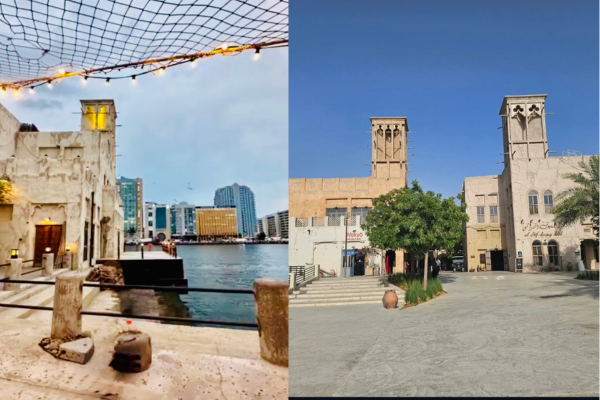
One of the most authentic places to visit in Dubai for free, the Al Fahidi Historical Neighborhood showcases the city’s heritage. Its wind-tower architecture, sand-colored buildings, and narrow lanes transport us back in time.
Here, we can explore courtyards, museums, and art galleries, making it an excellent destination for history enthusiasts and photographers alike.
2. The Dubai Fountain Show
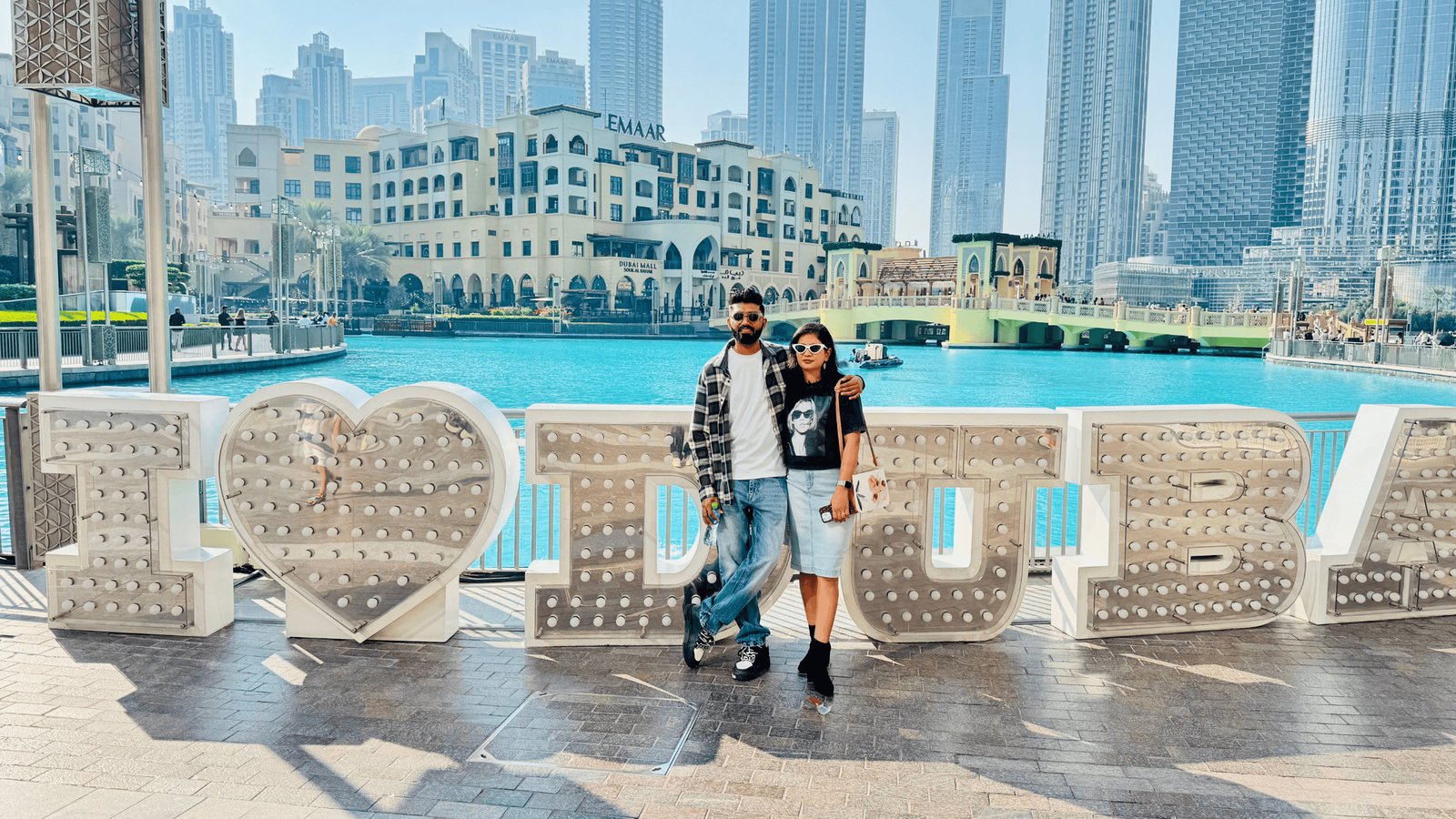
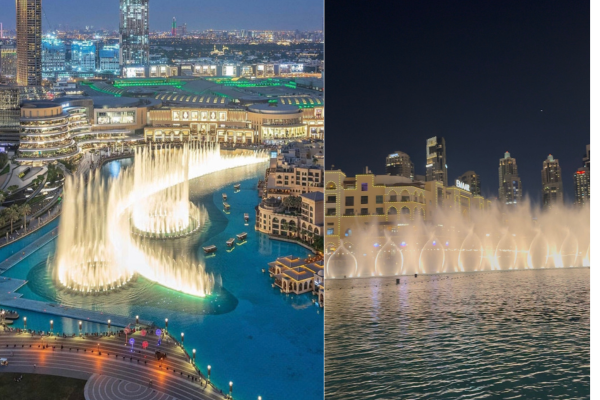
Located in front of the Burj Khalifa and the Dubai Mall, the Dubai Fountain Show is a spectacular display of water, light, and music. This free, choreographed show runs every evening and attracts people from all over the world. It is best viewed from the Dubai Mall Promenade, where you can get an uninterrupted view of the display. It’s one of the best places to visit in Dubai for free.
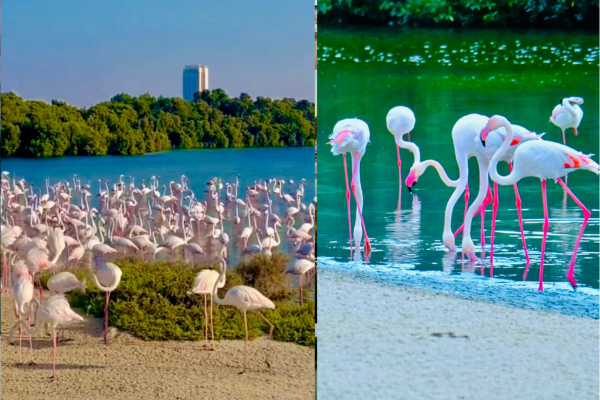
Nature lovers should definitely visit Ras Al Khor Wildlife Sanctuary, a paradise for bird lovers. Located just minutes from downtown Dubai, this protected wetland area is home to thousands of flamingos, herons, and other migratory birds. One of the best places to visit in Dubai for free, and the viewing hides provide a great spot for photography and wildlife observation.
4. Jumeirah Beach Corniche
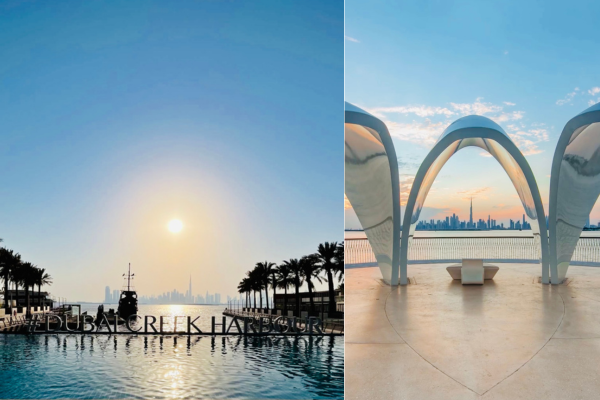
Dubai Creek is one of the most culturally rich places in Dubai that you can visit for free. Situated right in the heart of Dubai, this inlet separates two main districts—Deira and Bur Dubai. Here, you can explore the heart of Old Dubai and admire the blend of architecture from both the old and new eras of the city. Additionally, you can enjoy a ride on a traditional wooden boat.
Even a simple stroll along the banks of the Creek offers you a profound glimpse into Dubai’s past.
5. Dubai Creek
Dubai Creek is one of the most culturally rich places in Dubai that you can visit for free. Situated right in the heart of Dubai, this inlet separates two main districts—Deira and Bur Dubai. Here, you can explore the heart of Old Dubai and admire the blend of architecture from both the old and new eras of the city. Additionally, you can enjoy a ride on a traditional wooden boat.
Even a simple stroll along the banks of the Creek offers you a profound glimpse into Dubai’s past.
6. The Walk and The Beach at JBR
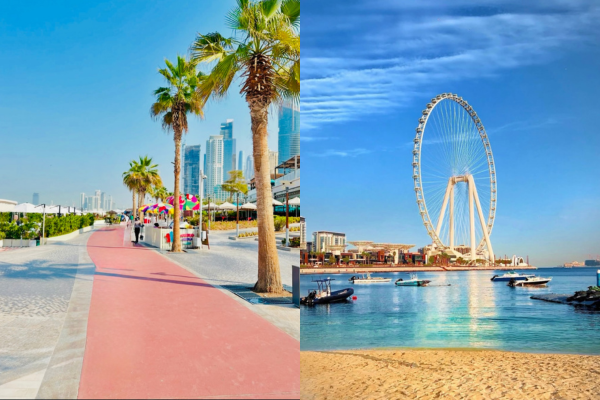
The Walk at JBR is a vibrant boulevard featuring public art installations, street performers, markets, and scenic beach views. Right next door lies ‘The Beach’—a public beach that is free to access. Here, you can relax, swim, and soak up the bustling atmosphere of one of Dubai’s most famous urban beaches. It is one of the most lively places to visit in Dubai for free, making it the perfect spot for social travelers.
Here, you can enjoy street performances, the beach vibe, and the lively ambiance, making it an excellent destination for friends, couples, and solo travelers alike.
7. Dubai Marina Walk
Experience Dubai’s breathtaking skyline and luxurious lifestyle on the Marina Walk, a 7-kilometer promenade that winds around the waterfront. It’s the perfect place to take a relaxing stroll, people-watch, or enjoy views of yachts and skyscrapers reflected on the water. It’s one of the best places to visit in Dubai for free.
8. Souk Madinat Jumeirah
Even though shopping here isn’t free, walking around Souk Madinat Jumeirah is an experience in itself. With its traditional Arab architecture, water canals, and stunning views of the Burj Al Arab, it’s a great place to wander around and capture some great photos without spending a penny.
9. Dubai Water Canal Boardwalk
Stretching for over 3 kilometers, the Dubai Water Canal is a modern marvel. The boardwalk provides a lovely route for walking or cycling, and the waterfall beneath the Sheikh Zayed Road bridge is particularly beautiful at night. It also includes various waterfront restaurants and parks. It’s also one of the best places to visit in Dubai for free, and it’s open 24/7.
10. Al Qudra Lakes
For those willing to venture slightly out of the city, AI Qudra Lakes offer a serene escape into the desert. These artificial lakes are home to local wildlife, including over 170 bird species, and make for a great picnic or sunset-viewing spot in natural beauty. This is also one of the best places to visit in Dubai for free.
11. Camel Racing at Al Marmoom
Experience an authentic piece of Emirati culture by watching camel races at Al Marmoom Camel Race Track. The races usually happen early in the morning on weekends, and entry for spectators is completely free. It’s a unique and fascinating glimpse into traditional desert sports.
12. Public Art Across the City
Dubai is a living canvas, with public art installations dotting the city from City Walk to La Mer. The city’s commitment to the arts is evident everywhere, from vibrant murals to interactive sculptures. These works are perfect for casual exploration, Instagram-worthy shots, and enriching your understanding of Dubai’s creative pulse.
13. The Dubai Mall
Directly across from the Burj Khalifa is the Dubai Mall, a downtown mall famous for luxury stores like Cartier and Harry Winston. An aquarium, an underwater zoo, and an ice rink are also located within this mall, and the Dubai Fountain Show is held right across it. This mall houses shops from all major brands. This mall is one of the best places to visit for free in Dubai.
14. Mall of the Emirates
This mall was famous in Dubai before the Dubai Mall. Although it is not as big as the Dubai Mall, it is still one of the best places to visit in Dubai for free. This huge mall has a mix of luxury brands and medium brands. It is one of the premier shopping destinations, offering a variety of retail, dining, and entertainment options under one roof. Conveniently located in the city center, it is a must-visit for both locals and tourists wishing to experience Dubai’s vibrant shopping scene.
15. Kite Beach
Dubai’s Kite Beach is one of the city’s most popular beach spots, known for its clean shores, stunning views of the Burj Al Arab, and lively atmosphere. Entry to Kite Beach is free, and no reservations are required. This is the best place for budget travelers.
Bonus Tips for Exploring Dubai for Free
Use the Dubai Metro to access many of these sites conveniently and affordably.
Look out for free cultural events hosted by institutions like the Sheikh Mohammed Centre for Cultural Understanding.
Check the Dubai Calendar for free concerts, parades, and festivals happening during your visit.
Dubai isn’t just about luxury shopping and spectacular attractions; it’s also a city filled with accessible cultural gems and natural beauty. From historic districts and architectural wonders to tranquil beaches and vibrant arts centers, there are countless opportunities to explore Dubai without spending a single dirham.
FAQs
What are the best free places to visit in Dubai?
Some of the best free places to visit in Dubai include the Dubai Fountain, the Al Fahidi Historical Neighborhood, Jumeirah Beach, the Dubai Marina Walk, and the Ras Al Khor Wildlife Sanctuary. These attractions offer a blend of culture, nature, and modern urban experiences at no cost.
Is the Dubai Fountain show really free?
Yes, watching the Dubai Fountain Show is completely free. Visitors can enjoy this spectacular display of water, music, and lights from the promenade located near the Burj Khalifa or the Dubai Mall, without purchasing any tickets.
Can we visit beaches in Dubai for free?
Absolutely, there are several public beaches in Dubai with free entry, such as Jumeirah Beach, Kite Beach, and JBR Beach. These beaches offer clean sand, clear water, and excellent amenities for visitors.
Is Dubai expensive for tourists on a budget?
Although Dubai is renowned for its luxury, you can still explore the city on a modest budget by visiting free attractions, utilizing public transportation, and enjoying affordable dining options. You can experience many of the city’s finest highlights without spending a fortune.
Can families enjoy free attractions in Dubai?
Certainly, Dubai offers many free attractions suitable for families, including beaches, parks, promenades, and wildlife sanctuaries. Families can enjoy the safe, clean, and entertaining atmosphere here, which is suitable for people of all ages.
Final Thoughts
Dubai proves that luxury and affordability can coexist. With the help of these specially curated free attractions in Dubai, we can experience the city’s culture, nature, and modern marvels without going over budget. From famous landmarks like the Dubai Fountain to hidden gems like Love Lake, every traveler can enjoy Dubai without spending a fortune.
If there is one place that defines Malaysia’s skyline, it is undoubtedly the Petronas Twin Towers Kuala Lumpur. Standing majestically in the heart of the city, these iconic towers are not merely architectural marvels; they offer a complete travel experience—one that encompasses breathtaking views, cultural insights, and unforgettable photo opportunities.
In this comprehensive guide, you will discover everything you need to know about the Petronas Twin Towers. From ticket prices and opening hours to expert photography tips and insider travel insights, I will cover it all.
Located in Kuala Lumpur, the Petronas Twin Towers stand at 452 meters, making them among the tallest twin towers in the world. Designed with Islamic geometric patterns, these towers represent a superb blend of modern engineering and traditional Malaysian aesthetics.
Situated in the KLCC (Kuala Lumpur City Centre) area, these towers are surrounded by shopping malls, parks, and other attractions, making it a must-visit destination for every traveler.
When planning your visit to the Petronas Twin Towers in Kuala Lumpur, booking tickets in advance is essential.
Ticket Prices (Approx)
Adults: RM 98 (₹2,315)
Children (3–12 years): RM 50 (₹1175)
Older Citizens: RM 50 (₹1175)
Ticket Inclusions
Access to Skybridge (Level 41)
Entry to Observation Deck (Level 86)
Guided experience
Important Booking Tips
Book online in advance to avoid sold-out slots
Same-day tickets are often unavailable, especially on weekends
Arrive at least 15–20 minutes early for entry
Many visitors report that tickets can sell out days in advance, so early booking is highly recommended.
Petronas Twin Towers Kuala Lumpur Timing
Understanding the timings is crucial for planning your visit to the Petronas Twin Towers in Kuala Lumpur.
Opening Hours:
Tuesday to Sunday: 9:00 AM – 9:00 PM
Closed on Mondays
Friday break: 1:00 PM – 2:30 PM
Best Time to Visit:
Early morning (less crowd)
Sunset slot (best views)
Evening (for night skyline photography)
Best Time to Visit Petronas Twin Towers
The timing of your visit to the Petronas Twin Towers can completely transform your experience; therefore, you should choose your visiting time based on your personal interests and convenience.
Morning Visit:
Fewer crowds
Clear views
Ideal for families
Sunset Visit:
Golden hour photography
Transition from day to night
Most popular time slot
Night Visit:
Illuminated towers
Best for dramatic skyline shots
Fountain light show nearby
Photography Tips for Petronas Twin Towers Kuala Lumpur
Capturing the perfect shot of the Petronas Twin Towers in Kuala Lumpur requires planning and creativity.
Best Photo Spots:
KLCC Park (wide-angle shots with reflections)
Lake Symphony area (fountain + towers combo)
Under the Skybridge (symmetry shots)
Pro Photography Tips:
Use a wide-angle lens for full tower shots
Visit during blue hour for best lighting
Avoid tripods (not allowed inside)
Try reflection shots using water surfaces
Photography Rules:
Tripods and drones are restricted
Photography is allowed only in designated areas
Travel Tips for Petronas Twin Towers Kuala Lumpur
Here are essential travel tips to make your visit smooth and enjoyable:
Before You Go:
Book tickets online in advance
Carry a valid ID
Avoid peak hours (10:30 AM – 12:30 PM & evenings)
What to Wear:
Light, breathable clothing
Comfortable walking shoes
Things Not Allowed:
Large bags
Outside food and drinks
Tripods and drones
How to Reach Petronas Twin Towers
Getting to the Petronas Twin Towers in Kuala Lumpur is very convenient:
By Train:
Take LRT Kelana, Jaya Line
Stop at KLCC Station (direct access)
Use Taxi / Grab
It is easily available throughout the city; if you are with your family or simply wish to reach the Petronas Twin Towers directly and comfortably, this is the best option.
By Walking:
Covered walkways connect the nearby attractions. You can also take a stroll while enjoying the surrounding scenery.
Nearby Attractions to Explore
After visiting the Petronas Twin Towers in Kuala Lumpur, don’t forget to check out these nearby places:
KLCC Park (perfect for relaxation & photos)
Aquaria KLCC (underwater experience)
Suria KLCC Mall (shopping & dining)
Kuala Lumpur Tower (panoramic views)
Insider Tips Most Travelers Miss
Book sunset tickets for the best experience
Visit KLCC Park after your tour for night photography
Combine your visit with the Lake Symphony light show
Keep your camera ready for quick shots due to time limits on the Skybridge
Hotels Near Petronas Twin Towers
Staying near the Petronas Twin Towers in Kuala Lumpur not only reduces your commute time but also offers easy access to the city’s main attractions, shopping, and nightlife. Whether you seek luxury, mid-range comfort, or budget-friendly options, there are many excellent hotels nearby, allowing you to pick one that fits your budget and preferences.
Luxury Hotels:
Mandarin Oriental Kuala Lumpur: Situated right next to the towers, this 5-star hotel offers magnificent views, world-class dining, and direct access to KLCC Park.
Grand Hyatt Kuala Lumpur: Famous for its rooftop dining and panoramic city views, this hotel is perfect for couples and luxury travelers.
Traders Hotel Kuala Lumpur: Known for its iconic SkyBar, this hotel provides one of the best views of the Petronas Twin Towers.
Mid-Range Hotels:
Impiana KLCC Hotel: A great balance of comfort and affordability with easy walking access to the towers.
Hotel Maya Kuala Lumpur: A boutique-style hotel offering modern amenities at reasonable prices.
Budget Hotels:
Le Apple Boutique Hotel KLCC: Perfect for budget travelers, located just a short walk from the towers.
The Bed KLCC: A stylish capsule hotel ideal for solo travelers and backpackers.
FAQs
Is it worth visiting the Petronas Twin Towers in Kuala Lumpur?
Yes, visiting the Petronas Twin Towers is highly recommended. It is an iconic and must-see experience in Kuala Lumpur, offering spectacular 360-degree views of the city from the Skybridge (41st/42nd floors) and the Observation Deck (86th floor). To avoid disappointment, it is advisable to book your tickets online in advance, as they often sell out. Visit in the evening to witness the magnificent sight of the city illuminated by lights.
Can I buy tickets for the Petronas Twin Towers on the spot?
Sometimes, but it is risky, as tickets are often booked in advance, so make sure to book ahead of time to avoid any inconvenience.
What is the best time for photography at the Petronas Twin Towers?
Sunset and blue hour are ideal for capturing stunning shots.
Conclusion
Visiting Kuala Lumpur’s Petronas Twin Towers is far more than just seeing a famous landmark; it is about experiencing the very heart of Malaysia’s modern identity. From spectacular views of the soaring skyscrapers to world-renowned architecture and unforgettable photo opportunities, this destination offers something special for every type of traveler.
Whether you are a solo explorer, a couple, or traveling with your family, this place is perfect for everyone. Planning your visit with the right timing, tickets, and a few insider tips will ensure that your experience is both seamless and truly memorable.
So, don’t just gaze at the towering skyscrapers from a distance, step inside and experience the magic of Kuala Lumpur’sPetronas Twin Towers for yourself!
Let me start with a confession: I almost didn’t go to the Maldives.
For years, I’d looked at those photos – overwater villas stretching into turquoise lagoons, private decks with direct ocean access, infinity pools overlooking endless blue. And I’d think the same thing everyone thinks: “That’s for rich people. That’s not for me.”
The Maldives felt like a place you go to spend money, not a place you go to travel.
Turns out, I was wrong.
My trip to Dhigurah Island completely changed how I think about this country. Yes, the ultra-luxury resorts exist. But tucked away on the local islands – places where Maldivian families actually live, where guesthouses cost $70 a night instead of $700 – there’s a whole different Maldives. One that’s accessible, authentic, and honestly just as beautiful.
This guide is everything I learned about experiencing the Maldives without going broke. How to get there, where to stay, what to do, and how to avoid the mistakes that cost other travelers hundreds of dollars.
First, Understand How The Maldives Works
The Maldives is basically 1,200 tiny islands scattered across the Indian Ocean. Here’s what you need to know:
Resort Islands: These are private islands where one resort occupies the entire landmass. You fly in, take a seaplane or speedboat, and don’t leave until you fly out. Beautiful, exclusive, expensive. Think $500+ per night.
Local Islands: These are inhabited by Maldivians. Guesthouses operate alongside local homes, schools, and mosques. You experience actual Maldivian culture. Guesthouses run $50-100 per night. This is where budget travel happens.
The Catch: Local islands have different rules. No alcohol. Conservative dress codes outside designated beach areas. But honestly? Those “limitations” are part of what makes the experience real.
Best Local Islands For Budget Travelers
Not all local islands are created equal. Based on my research and experience, these are the ones to know:
Dhigurah Island (South Ari Atoll)
My personal favorite.
This island has one of the longest beaches in the Maldives – four kilometers of white sand running down the west side. The sandbar at the southern tip is stunning. And crucially, Dhigurah sits in South Ari Atoll, which means whale shark excursions are excellent year-round.
Best for: Beach lovers, whale shark seekers, people who want space to walk
Fulidhoo Island (Vaavu Atoll)
Smaller, more traditional vibe. The highlight here is literally steps from the ferry dock – stingrays and nurse sharks gather in the shallows daily. You can stand knee-deep and watch them cruise past. It’s surreal.
Best for: Wildlife up close, traditional village feel, photographers
Maafushi (Kaafu Atoll)
The most developed local island, closest to Male. Lots of guesthouses, restaurants, tour operators. It’s busy – some say too busy – but the infrastructure is solid and prices are competitive.
Best for: First-timers, people wanting maximum tour options, shorter transfers
Ukulhas (Alif Alif Atoll)
Known for being environmentally conscious – one of the cleanest local islands with good waste management and protected marine areas. Beautiful beach, laid-back vibe.
Best for: Eco-conscious travelers, families, relaxed pace
Thoddoo (Alif Alif Atoll)
Famous for its watermelon farms (yes, really) and a stunning lagoon on the north side. Less touristy than Maafushi, more agricultural feel.
Best for: Off-the-beaten-path vibes, lagoon swimming, budget longer stays
How To Get To The Local Islands
You’ll fly into Male International Airport (MLE) . From there, you’ve got options.
Public Speedboat (Best Balance)
Cost: $40-60 USD one way Duration: 1-3 hours depending on island
This is the sweet spot. Comfortable, air-conditioned boats with daily schedules to most major local islands. To Dhigurah, it’s 2 hours and about $50. To Maafushi, it’s 30 minutes and about $25.
Pro tip: Ask your guesthouse to book the speedboat for you before you arrive. They’ll add it to your room bill, you pay by card, and you don’t have to worry about a thing.
Public Ferry (Cheapest)
Cost: $3-10 USD one way Duration: 1-7 hours depending on island
The MTCC public ferries are absurdly cheap. To Dhigurah, it’s about $8 for a 6-7 hour journey. To closer islands like Maafushi, it’s faster. The trade-off is time and comfort – these are basic vessels with limited schedules (often only a few times per week).
Speedboat + Domestic Flight
Cost: $150-200 USD one way Duration: 20 minute flight + boat transfer
For distant atolls like Addu or Baa, flying makes sense. Fly from Male to a regional airport, then a short speedboat to your island. More expensive than public options, but saves serious time.
Seaplane (The Splurge)
Cost: $250-400 USD one way Duration: 30-60 minutes
Look, I’ll be honest – seaplanes are incredible. Flying low over those atolls, watching the colors shift… it’s a memory for life. But it’s also expensive. If you can swing it for one leg of your journey, do it. If not, you’re not missing essential Maldives experiences.
Where To Stay (Without Breaking The Bank)
Guesthouses are your friend. Family-run, clean, breakfast included, and often the owners will help arrange everything – transfers, excursions, dinner reservations.
Typical costs: $50-100 USD per night for a double room with AC, private bathroom, and WiFi.
What to expect: Simple but comfortable. Think clean tile floors, decent mattress, hot water, reliable WiFi. Not luxury, but perfectly fine.
Booking tip: Use booking sites to research, then email guesthouses directly. Sometimes you’ll get better rates, and you can ask questions before committing.
Hotels we liked:
Dhigurah: Khao-Sok Bed and Breakfast (friendly owners, great location)
Fulidhoo: Huvan Inn (right near the shark/stingray point)
Getting Around The Islands
Here’s the beautiful thing about Maldivian local islands – they’re tiny. Most are less than a kilometer wide. You walk everywhere.
Some islands rent bicycles. Some have the occasional taxi pickup truck. But honestly? Walking is the way. You see more, meet more people, and it’s free.
What To Do (Excursions & Activities)
This is where your budget stretches further than you’d expect. Excursions from local islands cost a fraction of resort prices.
Whale Shark Safari (South Ari Atoll)
Cost: $60-80 USD per person Duration: 2-4 hours
South Ari Atoll is one of the best places on earth to swim with whale sharks. Year-round presence, good chances of sightings. Multiple tour operators run trips from Dhigurah and other South Ari islands.
Warning: These are wild animals. No guarantees. But the operators are experienced and want you to see them as much as you do.
Manta Ray Excursions
Cost: $50-70 USD per person Duration: 2-3 hours
Manta rays visit cleaning stations around many atolls. Baa Atoll is famous for them, but they’re spotted elsewhere too. Snorkeling with these gentle giants is unforgettable.
Dolphin Cruises
Cost: $30-50 USD per person Duration: 1-2 hours
Dolphins are everywhere in the Maldives. A sunset dolphin cruise is one of the most relaxing ways to spend an evening. They move fast, so snorkeling isn’t really possible, but watching them leap alongside the boat is pure joy.
Sandbank Trips
Cost: $25-40 USD per person Duration: Half day
Those tiny sandbars you see in photos – just a patch of white sand in the middle of turquoise water? You can visit them. Usually combined with snorkeling stops. Bring lunch, spend a few hours on your own private paradise.
Snorkeling Safaris
Cost: $30-50 USD per person Duration: Half day
Visit multiple snorkeling spots – house reefs, turtle cleaning stations, coral gardens. Equipment usually included. Good snorkelers will see plenty.
Diving
Cost: $60-100 USD per dive
The Maldives has world-class diving. Local island dive shops are significantly cheaper than resorts. Dhigurah in particular is known for excellent diving.
Fishing Excursions
Cost: $40-60 USD per person Duration: 2-4 hours
Big game fishing, night fishing, reef fishing – options vary. Catch your dinner and have your guesthouse cook it.
Resort Day Trips
Cost: $100-200 USD per person
This is a fun hack. Many nearby resorts offer day packages to local island guests. Boat transfer, pool access, facilities, and usually a food/drink credit. Experience the “resort Maldives” for a fraction of the cost.
How Much Does A Budget Maldives Trip Actually Cost?
Let’s get specific. Here’s roughly what we spent per day:
Item
Cost (USD)
Guesthouse (double room)
$35-50 per person
Meals (3 local restaurants)
$20-30
One excursion
$40-60
Speedboat transfer (amortized)
$15-20
Miscellaneous
$10
Daily Total
$120-170
For a week, that’s $840-1,190 USD including accommodation, food, excursions, and transfers. Add your international flight, and you’re still way under what a resort would cost.
Can you do it cheaper? Yes. Stay longer on one island, take public ferries, cook some meals, skip expensive excursions.
Can you spend more? Absolutely. More excursions, fancier guesthouses, seaplane transfers.
But this range gives you a realistic picture of what a comfortable, enjoyable budget Maldives trip looks like.
Money Tips (Read These Before You Go)
Currency
Maldivian Rufiyaa (MVR) is local currency
US Dollars accepted almost everywhere, but you’ll get better rates with Rufiyaa
Don’t take Rufiyaa home – worthless outside Maldives
ATMs & Cards
Male airport has reliable ATMs – withdraw enough for a few days
Most local islands have one ATM (may or may not work with your card)
Guesthouses often accept credit cards (sometimes 3-5% fee)
Restaurants and shops are cash-only
Strategy: Withdraw at Male airport, use card for guesthouse and big excursions, cash for everything else
Tipping
Not expected but appreciated. Service workers earn modest wages. 10% at restaurants, $1-2 for hotel staff helping with bags, $5-10 for guides who did well.
Packing List Essentials
Clothing:
Lightweight, modest clothing for walking through villages (cover shoulders/knees)
Snorkel mask (fits better than rentals, though rentals are fine)
Underwater camera or phone housing
Power bank (some islands have occasional power fluctuations)
Reusable water bottle (plastic waste is a huge problem here)
Health:
Mosquito repellent (essential, especially near jungle areas)
Basic first aid kit
Any prescription medications (pharmacies are limited)
Important Cultural Notes
The Maldives is a Muslim country. On local islands, this matters:
Dress Code: Cover shoulders and knees when walking through villages. Swimwear only on designated bikini beaches. We saw tourists ignoring this and nothing bad happened, but it’s respectful to follow local norms.
Alcohol: Not sold on local islands. Zero. If you want a drink, you need to visit a resort island or wait until you’re back in Male. Honestly, we didn’t miss it – but worth knowing.
Prayer Calls: You’ll hear the call to prayer from mosques. It’s part of life here. Not “noise” – it’s culture. Bring earplugs if you’re sensitive, but approach it with respect.
Ramadan: If visiting during Ramadan, expect shorter operating hours for restaurants during the day. Evening meals become festive. It’s a special time to visit if you’re culturally curious.
Relationships: Unmarried couples can share rooms without issue on local islands. Public displays of affection are frowned upon – save that for private spaces.
When To Visit (Weather & Seasons)
Dry Season (December – April): Peak season. Sunny skies, calm seas, perfect beach weather. Prices slightly higher, crowds slightly larger. January through March are particularly gorgeous.
Shoulder Months (November, May): Transition periods. Could be great weather, could be rain. Fewer crowds, better deals.
Wet Season (June – October): More rain, but often in short bursts. Greener landscapes, emptier beaches, lowest prices. South Ari Atoll still has good whale shark viewing. If you’re flexible and don’t mind occasional rain, this is the budget traveler’s sweet spot.
Sample 10-Day Budget Maldives Itinerary
Day 1: Arrive Male, speedboat to Dhigurah. Settle in, explore village, sunset at North West Beach.
Day 2: Morning walk to Long Beach sandbar. Afternoon snorkeling at Turtle Reef (from shore).
Day 4: Scuba diving or snorkeling safari. Evening fishing excursion, cook your catch.
Day 5: Resort day trip (experience the luxury side). Sunset at the sandbar.
Day 6: Morning kayaking. Speedboat back to Male. Overnight in Male (or connect to next island).
Day 7: Speedboat to Fulidhoo. Afternoon at the stingray/shark point. Village walk.
Day 8: Snorkeling excursion to nearby reefs. Relaxed evening.
Day 9: Sandbank trip (half day). Last beach time. Sunset photos.
Day 10: Morning speedboat to Male. Airport, fly home.
Common Mistakes To Avoid
Booking one island without research. Every island has different character. Dhigurah for beaches, Fulidhoo for wildlife, Maafushi for convenience. Match the island to your travel style.
Skipping travel insurance. Medical evacuation from remote islands is expensive if something goes wrong. Don’t risk it.
Assuming resorts are the only option. This almost kept me from visiting. Local islands offer the same water, same sunsets, same marine life – for a fraction of the cost.
Forgetting cash. Card acceptance is limited outside guesthouses. Run out of cash and you’re hunting for an ATM that may or may not work.
Overpacking excursions. You don’t need to book everything. Leave days empty to just be on the beach. That’s the point.
Ignoring dress code. You’re a guest in someone’s home. Cover up in villages. It’s not complicated.
Final Thoughts
The Maldives taught me something important.
Luxury travel and budget travel aren’t opposites. They’re just different ways of experiencing a place. The overwater villa traveler and the guesthouse traveler both end up in the same turquoise water. Both watch the same sunset. Both leave with memories that last.
One pays ten times more for the privilege of a private deck and a mini-fridge full of champagne.
The other meets local families, eats where Maldivians eat, and stretches a week’s budget into two weeks of travel.
Neither is wrong. But if you’re reading this because you thought the Maldives was out of reach – it’s not. The water is waiting. The beaches are waiting. And they’re more accessible than the Instagram photos would have you believe.
Go. You’ll thank yourself.
Planning a Maldives trip? Been to a local island? Drop your questions below – I read every comment and I’m happy to help!
The Grand Palace is one of Thailand’s most renowned landmarks and a must-visit destination for travelers exploring Bangkok. Known for its magnificent golden spires, intricate Thai architecture, and profound cultural significance, this palace stands as the very heart of Thai history and royal heritage.
Constructed in the late 18th century, the Grand Palace served as the official residence of the Kings of Siam for over 150 years. Today, it remains one of Thailand’s most visited attractions, drawing millions of tourists annually who come to admire the beauty of its magnificent temples, courtyards, and the famous Wat Phra Kaew—home to Thailand’s most sacred Buddhist image.
If you are planning a visit, this comprehensive guide will help you navigate the history, ticketing, dress code, key attractions, and essential travel tips regarding the Grand Palace.
The construction of the Grand Palace in Bangkok began in 1782, during the reign of King Rama I, the founder of the Chakri Dynasty. At that time, the Thai authorities relocated the capital across the Chao Phraya River and established this palace complex as the state’s new royal residence and administrative center.
For over a century, the Grand Palace served as Thailand’s political and spiritual hub. It was here that the King resided, royal ceremonies were held, and significant government activities took place within its walls.
Although the Thai royal family later relocated to Dusit Palace, the Grand Palace in Bangkok remains a vital ceremonial venue and a powerful symbol of Thailand’s monarchy and culture.
Among the most sacred structures within the palace complex is the ‘Temple of the Emerald Buddha,’ which houses the revered statue of the Emerald Buddha. Carved from a single piece of jade, this statue is regarded as Thailand’s most significant religious icon. Today, people recognize the Grand Palace in Bangkok as a magnificent architectural masterpiece that showcases traditional Thai design, elaborate murals, gilded stupas, and colorful mosaic art.
There are many reasons why the Grand Palace in Bangkok attracts millions of visitors every year.
Thailand’s Most Sacred Temple: The complex includes Wat Phra Kaew, the Temple of the Emerald Buddha, which is considered the most important Buddhist temple in Thailand.
Stunning Thai Architecture: The buildings inside the Grand Palace in Bangkok feature intricate carvings, colorful mosaics, and golden spires that reflect traditional Thai craftsmanship.
Historical Significance: The palace served as the official residence of Thai kings for more than 150 years.
Cultural Importance: Even today, important royal ceremonies and national events take place at the Grand Palace in Bangkok.
When visiting the Grand Palace in Bangkok, you will encounter numerous magnificent buildings and temples within the complex. The attractions found inside make the visit well worth it.
1. Temple of the Emerald Buddha (Wat Phra Kaew)
Wat Phra Kaew is the most prominent attraction within Bangkok’s Grand Palace. Artisans carved the Emerald Buddha statue from green jade, and during special ceremonies, the Thai King adorns it with seasonal golden robes. The Thai people deeply revere this statue and regard it as a symbol of Thailand’s spiritual heart.
The temple does not permit photography; therefore, visitors must strictly follow the rules when they enter.
Inside Bangkok’s Grand Palace lies another beautiful attraction: the Golden Chedi (Stupa), which symbolizes Buddhist cosmology and houses sacred relics.
3. Chakri Maha Prasat Hall
This magnificent building represents a unique blend of traditional Thai roofs and European architecture, and is renowned for its distinctive style. This makes it one of the most unique structures within Bangkok’s Grand Palace. The Chakri Maha Prasat Hall serves as the royal residence and hosts foreign dignitaries; designers built it in the 19th century to symbolize Thailand’s modernization.
4. Murals of the Ramakien
Walking along the inner walls of the palace, visitors can admire intricate murals depicting scenes from Thailand’s national epic, the ‘Ramakien’. Created in 1783 during the reign of King Rama I, these historic murals portray the triumph of good over evil through vivid scenes of gods, monkeys, and demons.
Grand Palace in Bangkok Tickets & Entry Fees
If you plan to visit the Grand Palace in Bangkok, here is the latest ticket information:
Entry Fee:
Approximately 500 Thai Baht for foreign visitors
Children under 120 cm can enter free.
The ticket usually includes access to:
The Grand Palace complex
Wat Phra Kaew
Queen Sirikit Museum of Textiles
Audio guides and guided tours are also available for an additional fee.
Opening Hours of the Grand Palace in Bangkok
The Grand Palace is open daily. Its opening hours are from 8:30 AM to 3:30 PM, and the ticket counters close around 3:30 PM.
The palace may occasionally close during special royal ceremonies, so you should check the official schedule before visiting.
Dress Code for the Grand Palace in Bangkok
Since Bangkok’s Grand Palace is a sacred religious site, visitors must adhere to strict dress code regulations.
Allowed Clothing:
Long pants or ankle-length skirts
Shirts with sleeves
Modest clothing covering shoulders and knees
Not Allowed:
Shorts
Sleeveless tops
Short skirts
Ripped jeans
Revealing clothing.
If you arrive wearing inappropriate clothing, you can rent or purchase a sarong near the entrance.
Best Time to Visit the Grand Palace in Bangkok
The Grand Palace in Bangkok is one of Thailand’s busiest attractions, so timing your visit is important.
Early Morning (Best Option): Arriving right at 8:30 AM, when the palace opens, helps you avoid crowds and extreme heat.
Cool Season (November – February): This period offers the most comfortable weather for exploring the palace complex.
Photography Tip: Morning sunlight creates beautiful lighting on the golden temples and colorful mosaics.
How to Reach the Grand Palace in Bangkok
The Grand Palace in Bangkok is located in the historic Rattanakosin district near the Chao Phraya River.
By BTS Skytrain: Take the BTS to Saphan Taksin BTS Station, then ride a boat to Tha Chang Pier.
By MRT: Take the MRT to Sanam Chai MRT Station and walk a short distance.
By Boat: The Chao Phraya Express Boat is one of the most scenic ways to reach the palace.
Travel Tips for Visiting the Grand Palace in Bangkok
Here are some useful tips to make your visit smooth and enjoyable.
Beware of Tourist Scams: Some people outside the palace may claim that the palace is closed and offer alternative tours. These are common scams, so always go directly to the official entrance.
Wear Comfortable Shoes: The Grand Palace in Bangkok is huge, and exploring the complex involves a lot of walking.
Carry Water: Bangkok can be extremely hot, especially during midday.
Respect Temple Etiquette: Remove your shoes before entering temple buildings and behave respectfully.
Allow Enough Time: Exploring the Grand Palace requires a considerable amount of time; therefore, most visitors spend 2–3 hours touring it.
Nearby Attractions You Should Also Visit
While visiting the Grand Palace, you can also easily explore these nearby attractions.
Wat Pho: Home to the famous 46-meter reclining Buddha statue, located just 700 meters from the palace.
Wat Arun: A beautiful riverside temple famous for its towering prang and sunset views.
Chao Phraya River: To enjoy the historical sights of Bangkok, you can take a beautiful boat ride on this river.
FAQ
What is the Grand Palace in Bangkok famous for?
The Grand Palace is famous for its stunning Thai architecture, rich royal history, and the sacred Wat Phra Kaew, which houses Thailand’s most revered Emerald Buddha statue.
Can you take photos inside the Grand Palace in Bangkok?
Photography is allowed in most outdoor areas of the Grand Palace in Bangkok. However, it is strictly prohibited inside certain temple buildings, especially inside Wat Phra Kaew.
Is the Grand Palace in Bangkok still used by the royal family?
The Grand Palace in Bangkok is no longer the official residence of the Thai royal family, but it is still used for important ceremonies and state events.
Are there any scams near the Grand Palace in Bangkok?
Yes, some scammers may tell tourists that the Grand Palace in Bangkok is closed and offer fake tours. Always go directly to the official entrance and purchase tickets there.
Conclusion
Bangkok’s Grand Palace is far more than just a tourist attraction; it is a powerful symbol of Thailand’s history, culture, and spiritual heritage. With its magnificent temples, royal architecture, and the sacred ‘Temple of the Emerald Buddha,’ the Palace offers one of the most memorable travel experiences in Southeast Asia.
Whether you are a history buff, an architecture enthusiast, or a cultural traveler, a visit to Bangkok’s Grand Palace should be at the very top of your Thailand itinerary. Just remember to arrive early, adhere to the dress code, and set aside ample time to explore this magnificent royal complex.