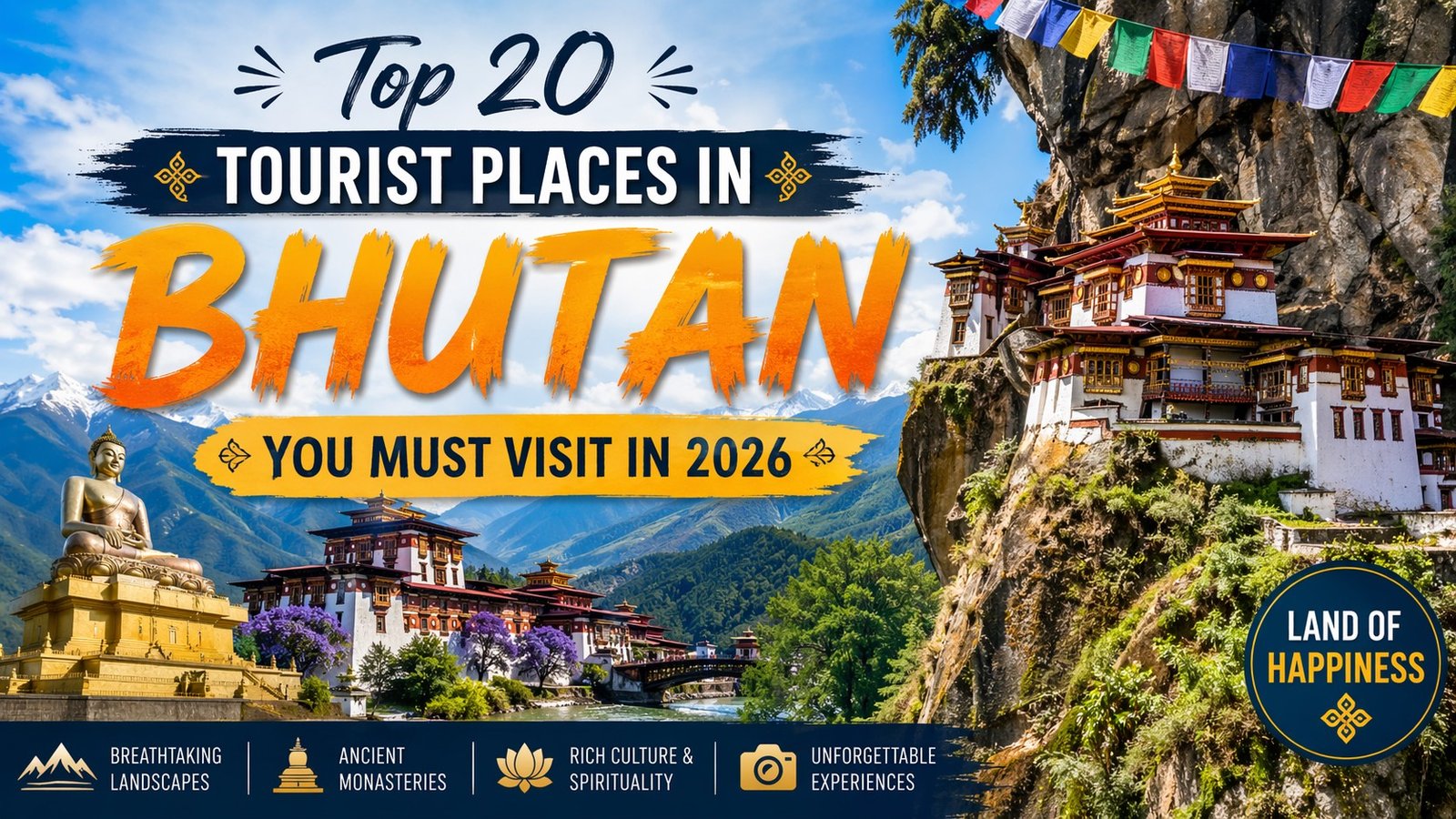
Bhutan, often referred to as the ‘Land of Happiness,’ is one of the most tranquil and spiritually rich destinations in the world. Nestled in the lap of the Eastern Himalayas, this country offers captivating landscapes, ancient monasteries, and deeply rooted traditions that beckon travelers seeking both adventure and serenity.
If you are planning your next international trip, this comprehensive guide to tourist places in Bhutan will help you explore the most popular, highly rated, and truly unforgettable destinations.
Check for: 5 Best Countries for Indian Solo Travelers in 2026 (Budget Under ₹50K + Visa Guide)
Why Visit Bhutan in 2026?
Bhutan is not merely a tourist destination; it is an experience in itself. From snow-capped mountains to sacred monasteries, every corner here tells a story. Visit Bhutan between March and May (spring) or September and November (autumn) to enjoy clear skies and celebrate numerous festivals.
Top 12 Tourist Places in Bhutan
1. Paro Valley – The Gateway to Bhutan

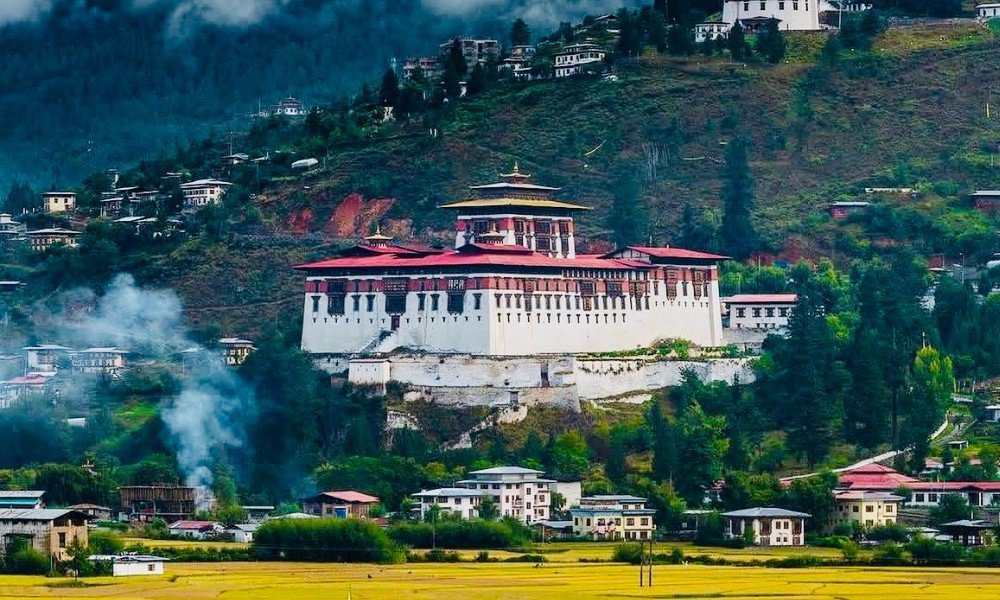
The Paro Valley is one of Bhutan’s most renowned tourist destinations—a historic, picturesque, and fertile valley situated in western Bhutan. Surrounded by lush greenery and traditional homes, this valley is home to Bhutan’s only international airport as well as magnificent cultural heritage sites. With its terraced fields and the meandering Paro Chhu River, it ranks among the most visited regions in Bhutan. People celebrate it for its famous Tiger’s Nest Monastery (Paro Taktsang), Rinpung Dzong, and its rich collection of ancient temples and traditional Bhutanese architecture.
Highlights:
- Tiger’s Nest Monastery
- Paro Dzong
- Scenic valley views
2. Tiger’s Nest Monastery (Paro Taktsang)
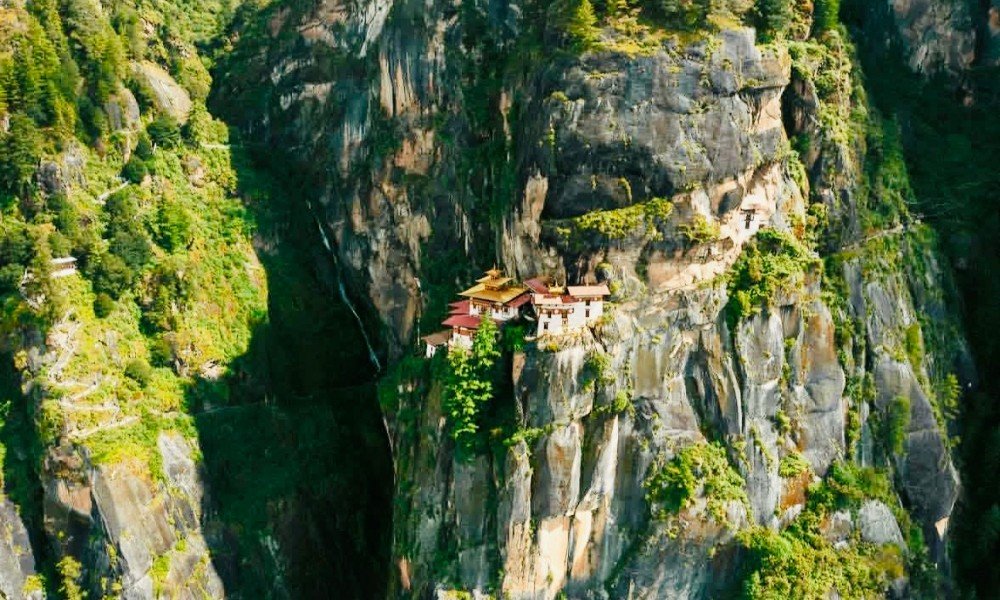
Magnificently perched upon a cliff, this monastery is Bhutan’s most renowned landmark. People believe that Guru Rinpoche meditated here in the 8th century. This sacred Buddhist monastery sits on a 900-meter-high cliff in the Paro Valley and attracts visitors with its spectacular location, the challenging four-hour climb, and its strong association with Guru Rinpoche. Tiger’s Nest Monastery is one of the top tourist attractions in Bhutan
Highlights:
- Spiritual vibes
- Breathtaking hike
3. Thimphu – The Capital City
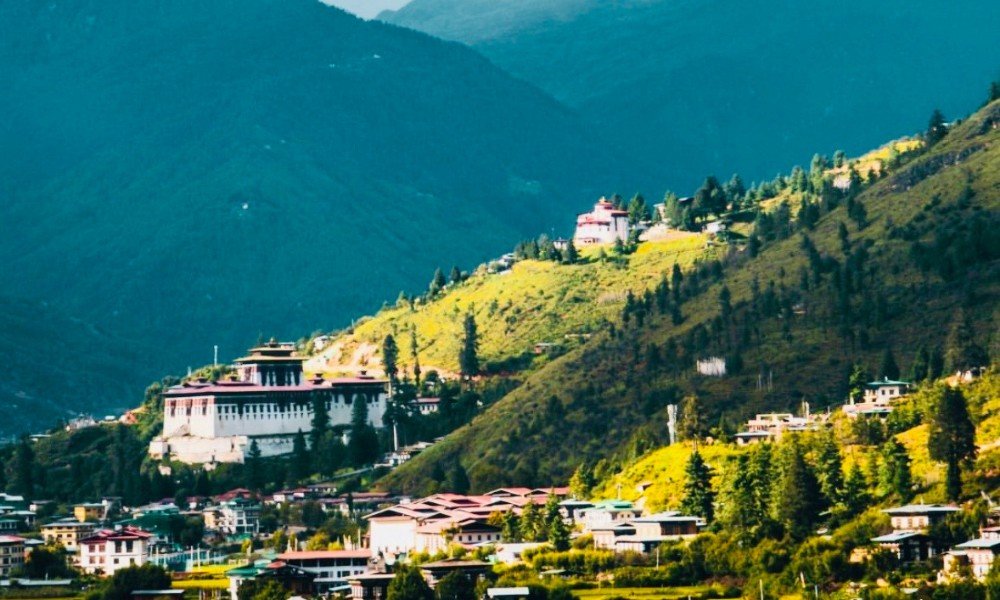
Thimphu is a unique blend of tradition and modernity, and it is the only capital city in the world without any traffic lights. The city’s main attractions include the colossal Buddha Dordenma statue and Tashichho Dzong.
Highlights:
- Buddha Dordenma statue
- Tashichho Dzong
- Local markets
4. Punakha – The Old Capital
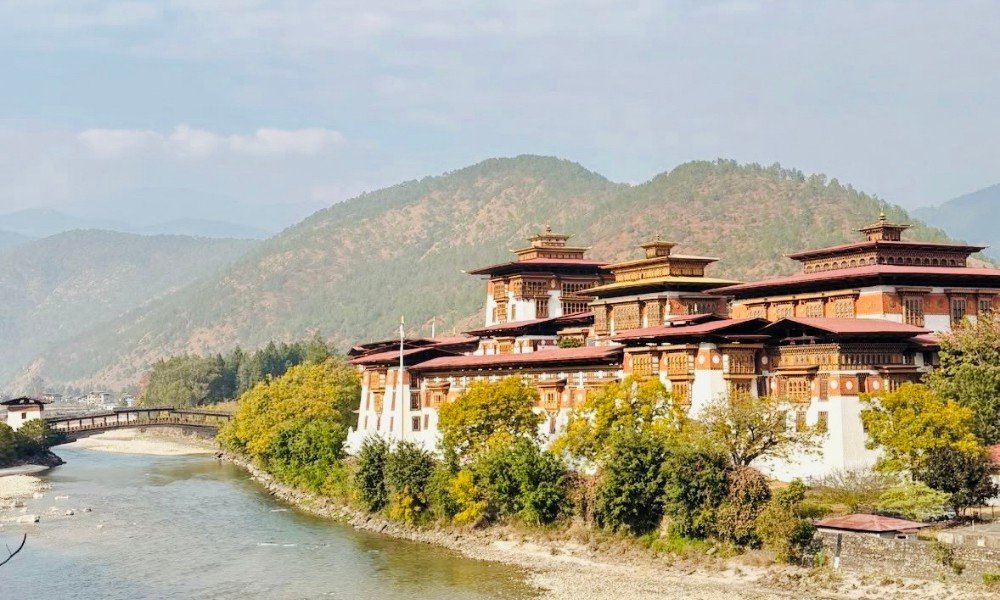
Punakha is renowned for its pleasant weather and historical significance. Known for its low elevation and subtropical climate, this region is one of Bhutan’s warmest and most fertile valleys, famous for the production of both red and white rice.
Key attractions here include hiking to the Khamsum Yulley Namgyal Chorten, visiting the Sangchhen Dorji Lhuendrup Nunnery, exploring rural villages such as Talo and Ritsa, and witnessing the confluence of the Pho Chhu and Mo Chhu rivers. This is one of the best tourist places in Bhutan.
Highlights:
- Punakha Dzong
- The long suspension bridge
- The fertility temple of Chimi Lhakhang.
5. Punakha Dzong – Palace of Great Happiness
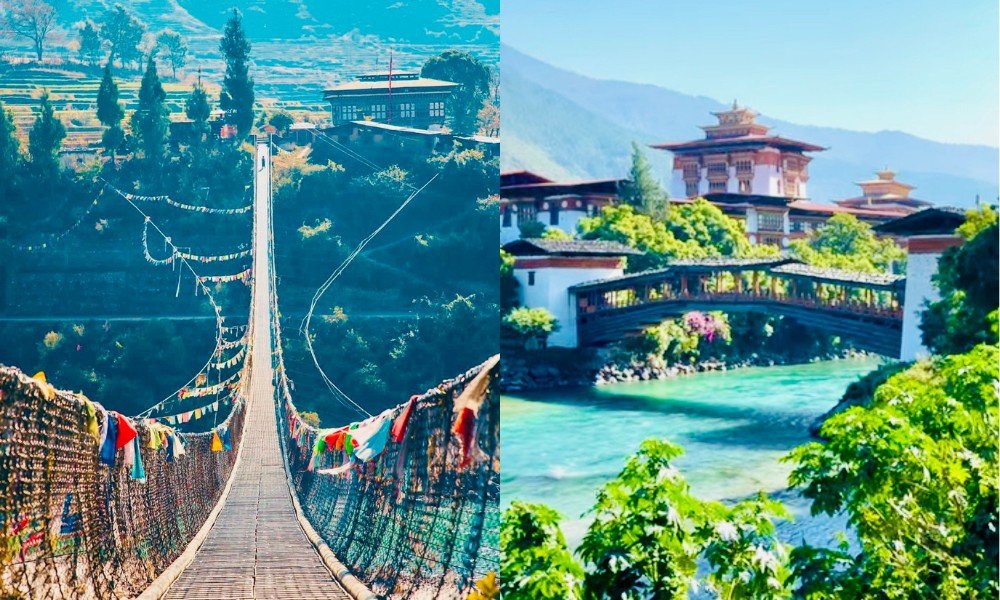
Situated in Punakha, the Punakha Dzong stands between two rivers and is an exquisite example of architecture; it is also one of Bhutan’s most magnificent tourist destinations.
Highlights:
- Wooden Cantilever Bridge
- Jacaranda Trees (April/May)
- Architectural Marvels
6. Phobjikha Valley – Nature Lover’s Paradise
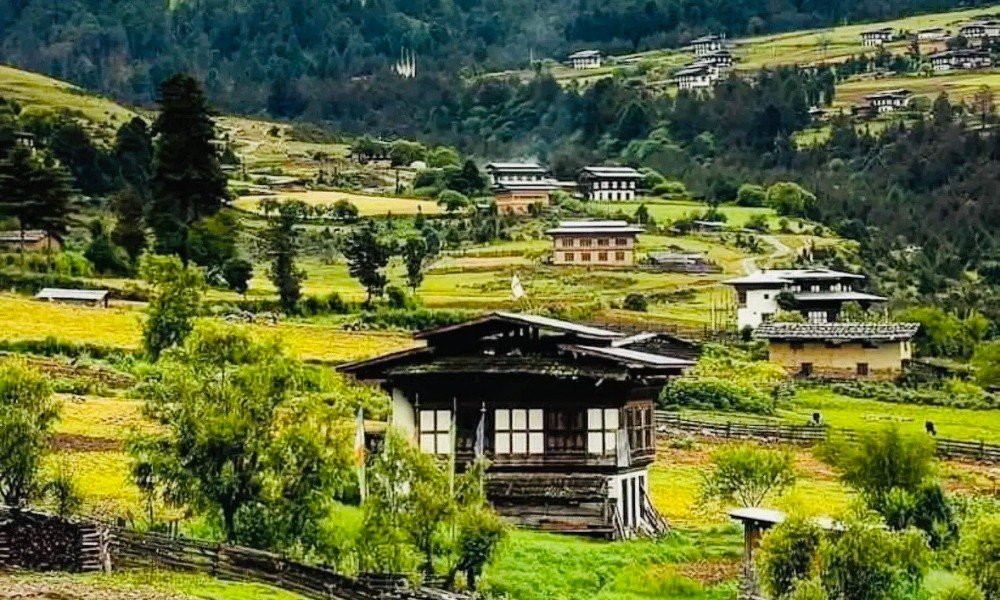
Phobjikha Valley is a glacial valley renowned for its black-necked cranes and serene landscapes. It is an exceptionally beautiful, vast, and U-shaped glacial valley. People often refer to this tranquil and eco-friendly tourist destination as the “Switzerland of Asia” and celebrate it for the 17th-century Gangtey Monastery, scenic hiking trails, and rich biodiversity.
Highlights:
- Known for hiking, biking, and hot stone baths
- Best for photography
- Scenic views
7. Bumthang Valley – Cultural Heartland
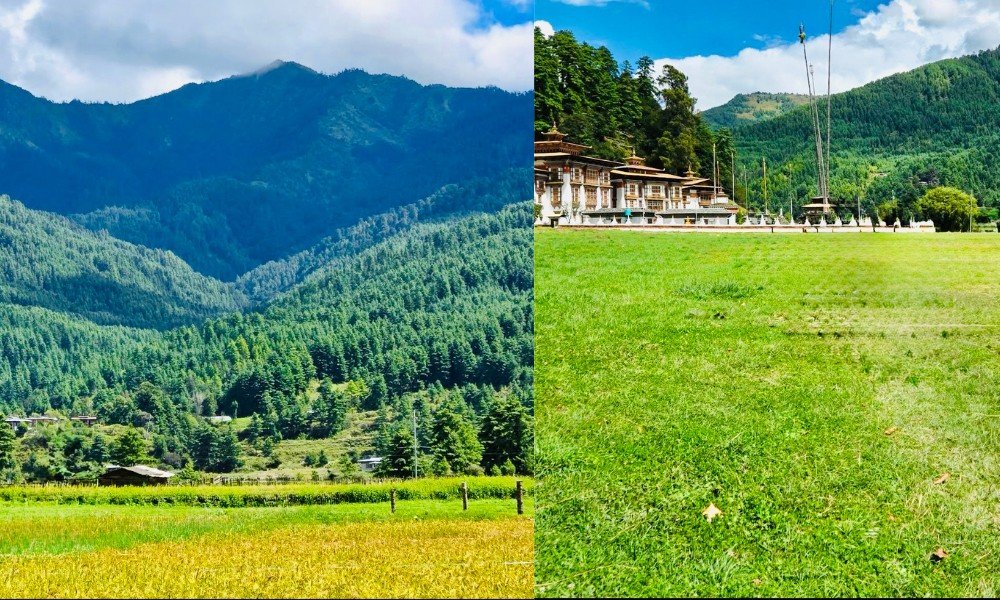
Bumthang is renowned for its ancient temples and spiritual significance. It comprises four distinct valleys—Chokhor, Ura, Chumey, and Tang—which are replete with ancient temples, monasteries, pine forests, and fields; this makes it a significant destination for history, spirituality, and natural beauty.
Highlights:
- Chokhor Valley
- Tang Valley
- Chumey Valley
- Ura Valley
8. Dochula Pass – 108 Stupas Viewpoint
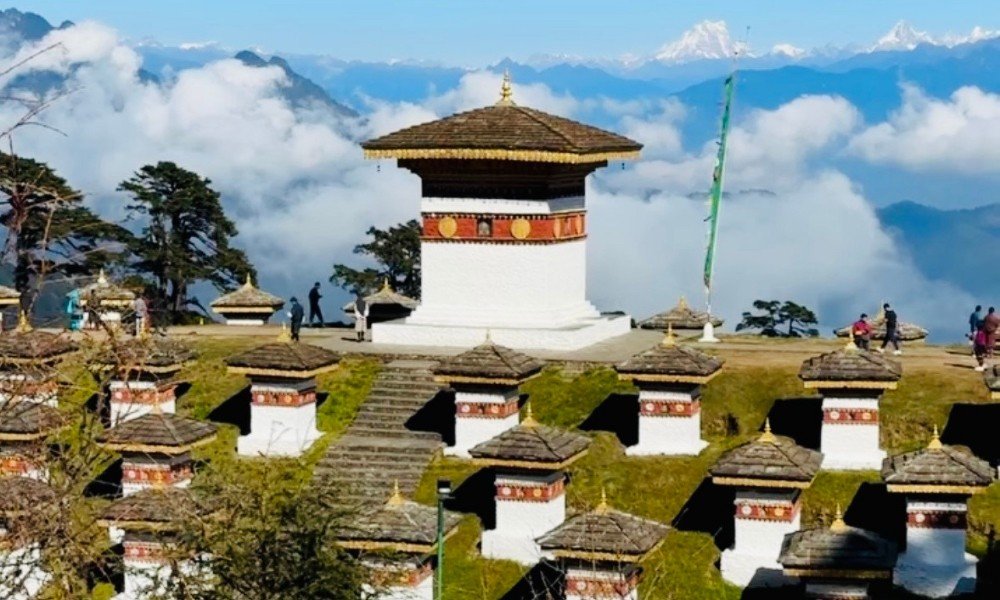
Situated at an altitude of 3,100 meters (10,200 feet) between Thimphu and Punakha, the Dochula Pass offers a truly breathtaking spectacle. People renowned it for its 108 memorial chortens (stupas), collectively known as the “Druk Wangyal Chortens,” which honor the soldiers martyred in the 2003 war. The pass offers magnificent views of the Himalayas—particularly during the autumn season—and is also home to vibrant forests of rhododendrons.
9. Haa Valley – Hidden Gem
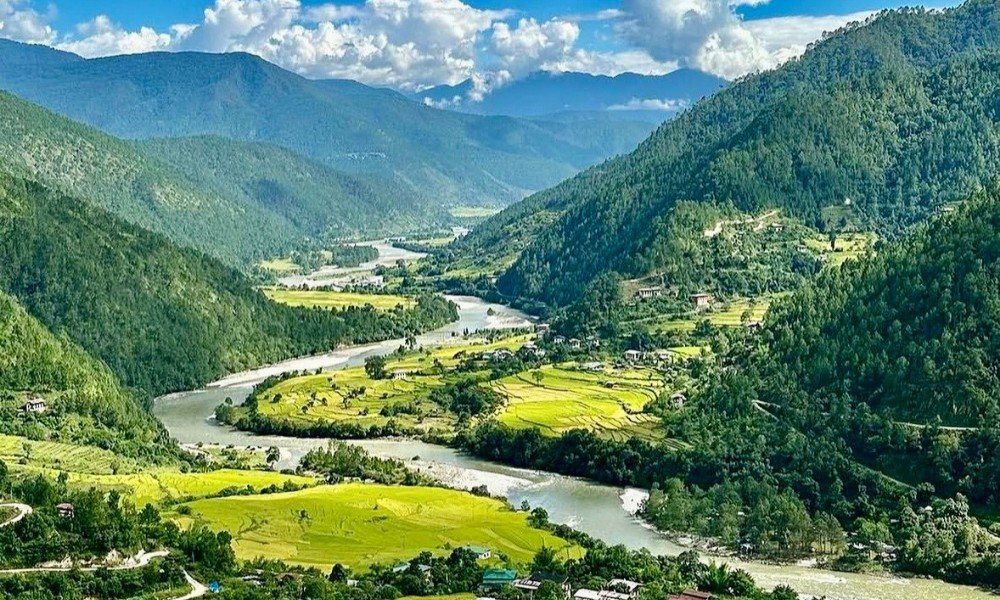
The Haa Valley is one of Bhutan’s most secluded and pristine tourist destinations, often referred to as the “Hidden-Land Rice Valley.” Situated in western Bhutan, it possesses a deeply traditional and unspoiled character that contrasts with more commercialized regions such as Thimphu or Paro. The defining features of this valley are its steep slopes cloaked in coniferous forests, the glacial Haa Chhu River, and captivating views of Mount Jomolhari. It remains one of Bhutan’s least-explored yet most beautiful tourist destinations.
10. Chele La Pass – Highest Motorable Pass
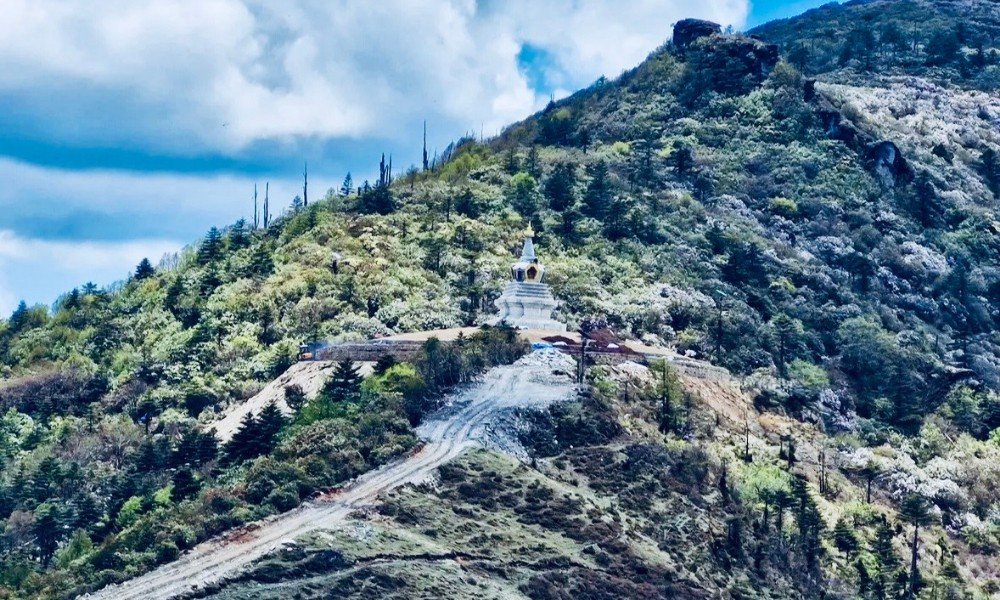
This high-altitude pass offers magnificent views of Mount Jomolhari and the surrounding peaks. The pass is renowned for its prayer flags, rhododendron forests, and panoramic vistas of snow-capped summits. Chele La Pass is one of the tourist places in Bhutan.
Highlights:
- best for Scenic photography
- hiking and picnics
- visiting the nearby Kila Nunnery.
11. Buddha Dordenma – Giant Buddha Statue
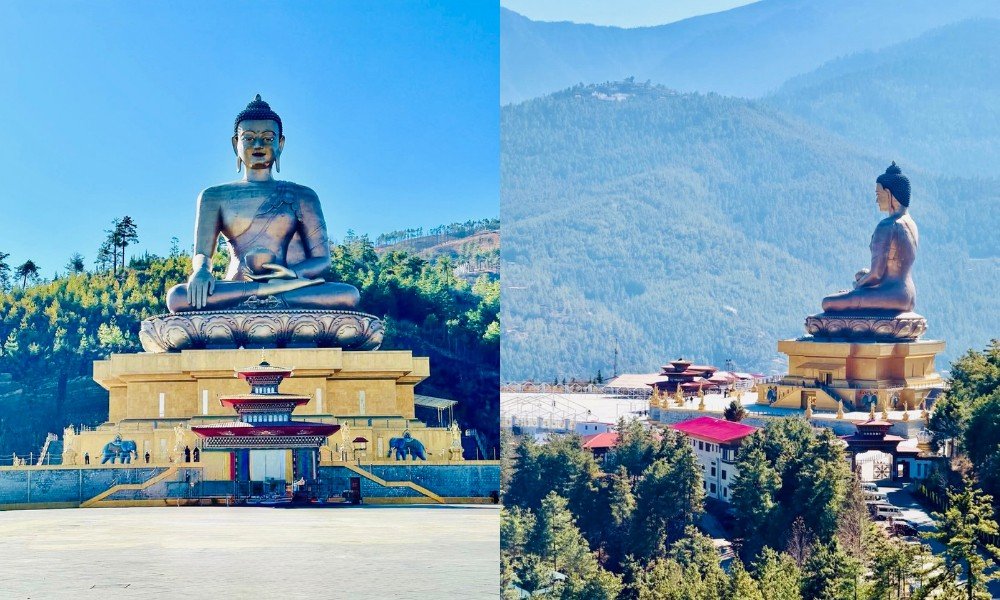
The Buddha Dordenma, also known as ‘Buddha Point,’ is a colossal golden statue of Shakyamuni Buddha. This statue is situated atop a hill within the Kuenselphodrang Nature Park, overlooking the Thimphu Valley. It is one of the largest statues of a seated Buddha in the world. Standing 169 feet tall, this statue symbolizes peace and enlightenment.
12. Wangdue Phodrang
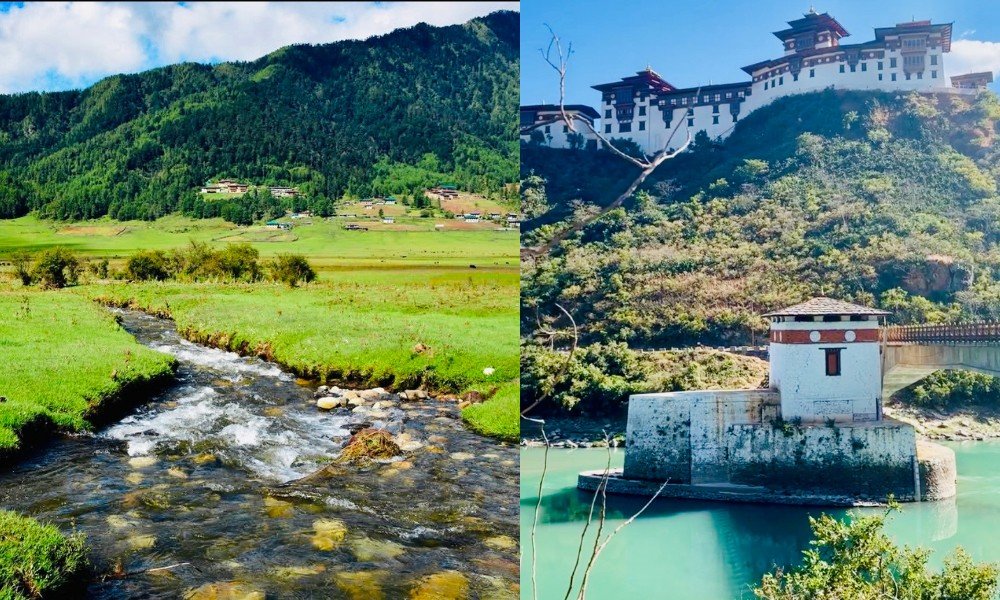
Wangdue Phodrang is renowned for its historic Wangdue Phodrang Dzong and the picturesque Phobjikha Valley. Situated at the confluence of the Punakha Chhu and Tang Chhu rivers, it serves as a major hub; its attractions include Gangteng Monastery, Chimi Lhakhang, and vast, windswept landscapes.
What Makes Tourist Places in Bhutan So Special?
Unlike other destinations, Bhutan focuses on Gross National Happiness, which is reflected in its tourism approach. Visitors love:
- Peaceful environment
- Rich Buddhist culture
- Clean and green surroundings
- Friendly locals
Travel Tips for Bhutan (2026)
Best Time to Visit:
- Spring (March–May) – Flowers & festivals
- Autumn (Sept–Nov) – Clear mountain views
Entry & Cost:
- Daily Sustainable Development Fee applies
- Book through authorized tour operators
What to Pack:
- Warm clothes (even in summer)
- Comfortable trekking shoes
- Camera for stunning views
FAQs
For first-time visitors to Bhutan, the best places to explore are located in the western part of the country, where they can experience a magnificent blend of renowned monasteries, cultural history, and natural beauty. Key attractions in this region include the breathtaking Paro Taktsang (Tiger’s Nest), the capital city of Thimphu, and the beautiful Punakha Valley—often referred to as the ‘cultural heart’ of Bhutan.
Due to the daily tourism fee, the cost is moderate, but the experience is well worth it.
For Indian citizens, visiting Bhutan costs a moderate amount and remains significantly more affordable than it does for international tourists because the government exempts Indians from the hefty daily fee of $100. Indians only need to pay ₹1,200 per night as a “Sustainable Development Fee” (SDF). If you travel on a budget, a 5-day trip can cost approximately ₹12,000 to ₹15,000 per person, whereas standard trips typically range between ₹25,000 and ₹40,000.
A 7 to 10-day trip is considered ideal for a comprehensive experience of Bhutan, covering key areas like Paro, Thimphu, and Punakha. A 5-day trip is sufficient to cover only the main highlights, while 10–12 days allow for deeper exploration into central Bhutan (Bumthang).
Indian citizens do not need a visa to enter Bhutan, but they must obtain an entry permit and pay a Sustainable Development Fee (SDF) of INR 1,200 per person per night. The permit can be obtained on arrival at the airport/border or online, and requires a valid Indian passport or Voter ID.
Conclusion
Bhutan is not merely a destination for sightseeing; it is about experiencing a distinct way of life. From the spiritual ambiance of its monasteries to the pristine beauty of its valleys, Bhutan’s tourist attractions offer something truly unique for every traveler.
If you are planning a peaceful yet exciting international trip in 2026, Bhutan should definitely be on your list.
Also check: Top 12 Cheapest Countries to Travel from India for an Affordable Foreign Trip